

Do not plant these flowers in August — unless you enjoy buying seed twice. Here is what cannot finish in time, why, and the flowers that are genuinely built for this exact window.
Every August, thousands of people finally get around to the garden bed they meant to plant in May. They buy whatever seed is on the shelf. They scatter it. They wait.
And in most of the country, nothing blooms before the frost takes it.
Here is the arithmetic nobody puts on the packet. Most of what is sold in August needs 90 days or more between sowing and first flower. Count forward from today and subtract your average first frost date. If the window has already closed, those seeds produce foliage, then die. You have not grown a garden; you have composted a bag of seed, and you will be buying more in spring.
That is the mistake. It is completely avoidable, and the fix is not to give up on planting this month.
Because a narrow group of flowers runs on a much shorter clock — 45 to 75 days from seed to bloom — and they are heat-loving, which means August is not a compromise for them. It is their season.
The seed was fine. The calendar was the problem. What most August failures actually come down to
All four need far more time than the season has left. Sown now, they will not reach bloom before frost across most of the US.
None of this means the seed is bad. It means the calendar is wrong — and buying slow-blooming seed in August is only a mistake if you expect flowers from it this year.
Buy it now at the sale price if you like, store it somewhere cool and dry, and sow it next season. Heirloom seed holds viability for years. But if you want colour this year, you need the other list.
Now for the part almost nobody takes advantage of.
Fast, heat-loving annuals. Sown this week, all three still reach bloom before first frost across most of the country.
This is the entire mechanism, so it is worth stating plainly. These reach bloom in roughly 45 to 75 days — not the 90-plus that rules out most of what else is on the shelf right now.
Count backward from your first frost date. For most of the country that window is still open in August. It is not open for everything. It is open for these.
The feelingDoing the math once and actually trusting the answer.

Spring sowing means waiting on soil that is cold, wet and heavy. Half the failures people blame on seed are really seed sitting in cold mud, rotting before it can germinate.
August soil is warm all the way down and drains properly. Seed sown into it sprouts in seven to ten days rather than sulking for three weeks — which is exactly the head start a shorter season needs.
The feelingSeeing green in the bed within a week and a half.
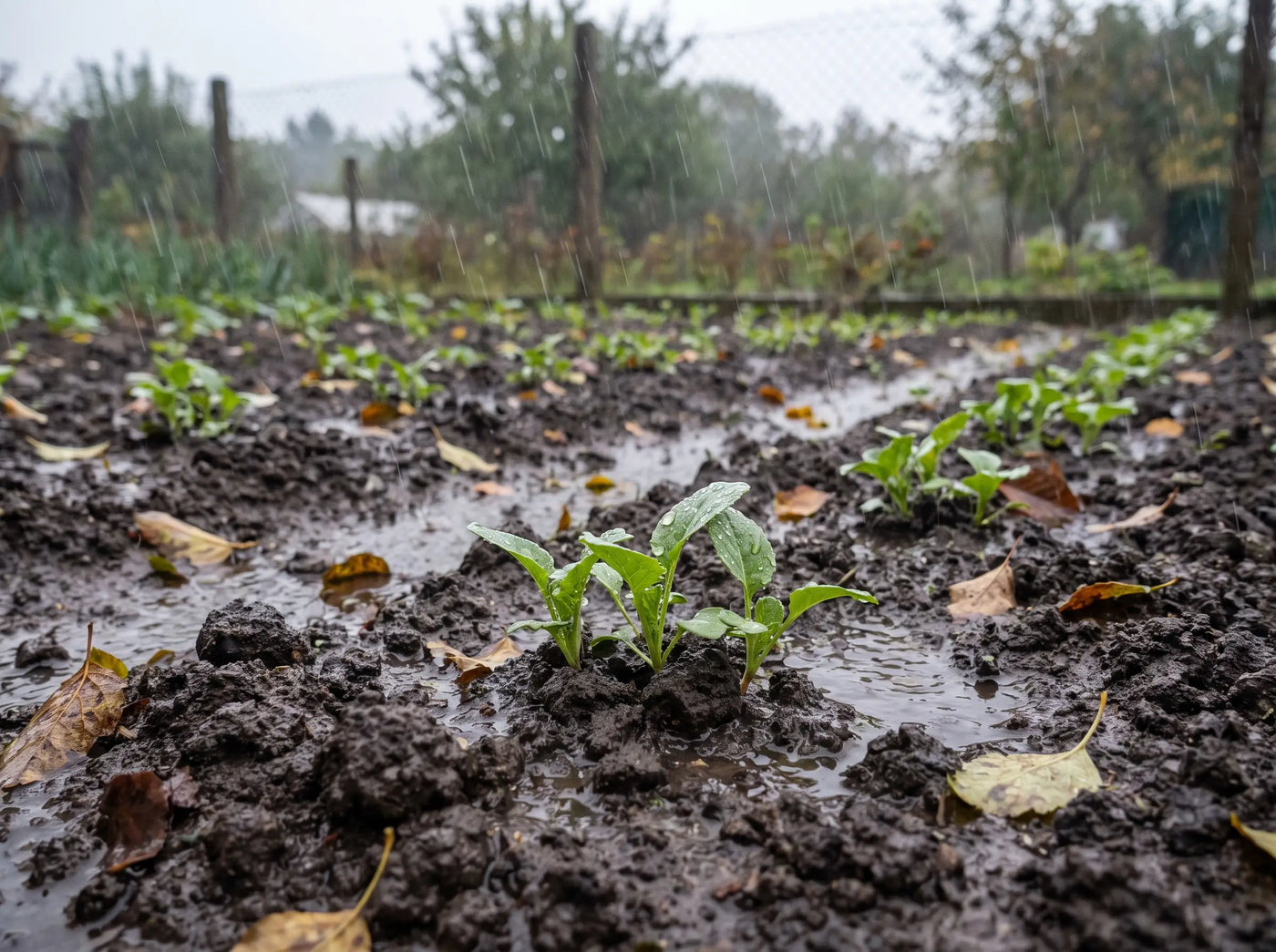
I scattered zinnias in late August, watered it in once, and then honestly forgot about it. Came back out in March and there were established plants sitting there waiting. I did nothing all winter.
Most of what struggles in August is struggling because it was never built for August — cool-season stock stressed by heat it cannot handle.
These run the opposite way. Warm soil accelerates germination, and once established, heat pushes more bloom, not less. The exact conditions working against everything else on the shelf are the conditions these are built around.
The feelingPlanting with the weather instead of against it.
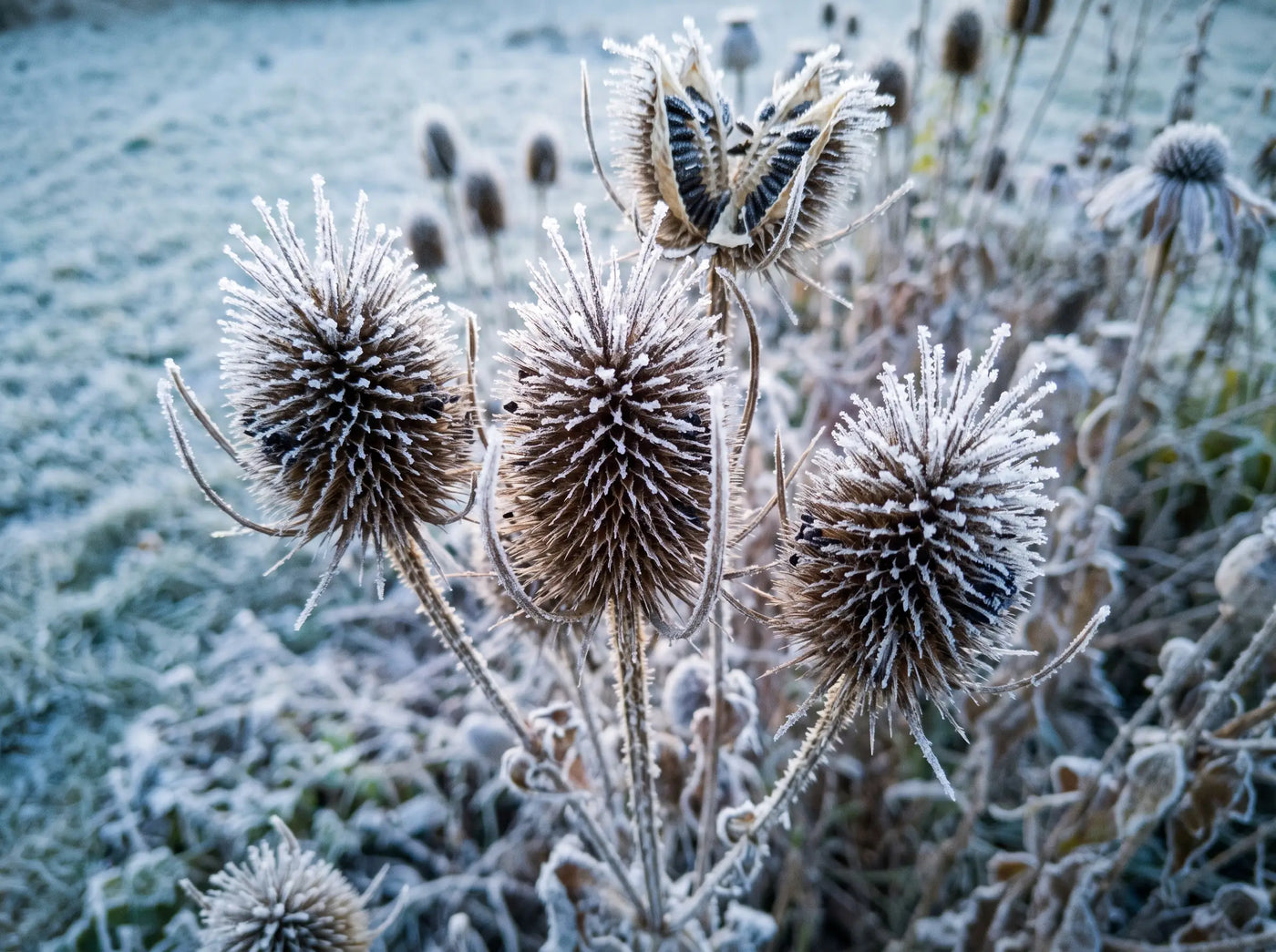
This is the payoff, and it is the reason cutting gardens are planted with these varieties specifically.
Cutting a stem tells the plant to send up another. Most flowers you cut are simply gone. These get more prolific every week you harvest them — which turns a single sowing into a supply that keeps refilling right up to frost.
The feelingCutting an armful and finding more the following week.
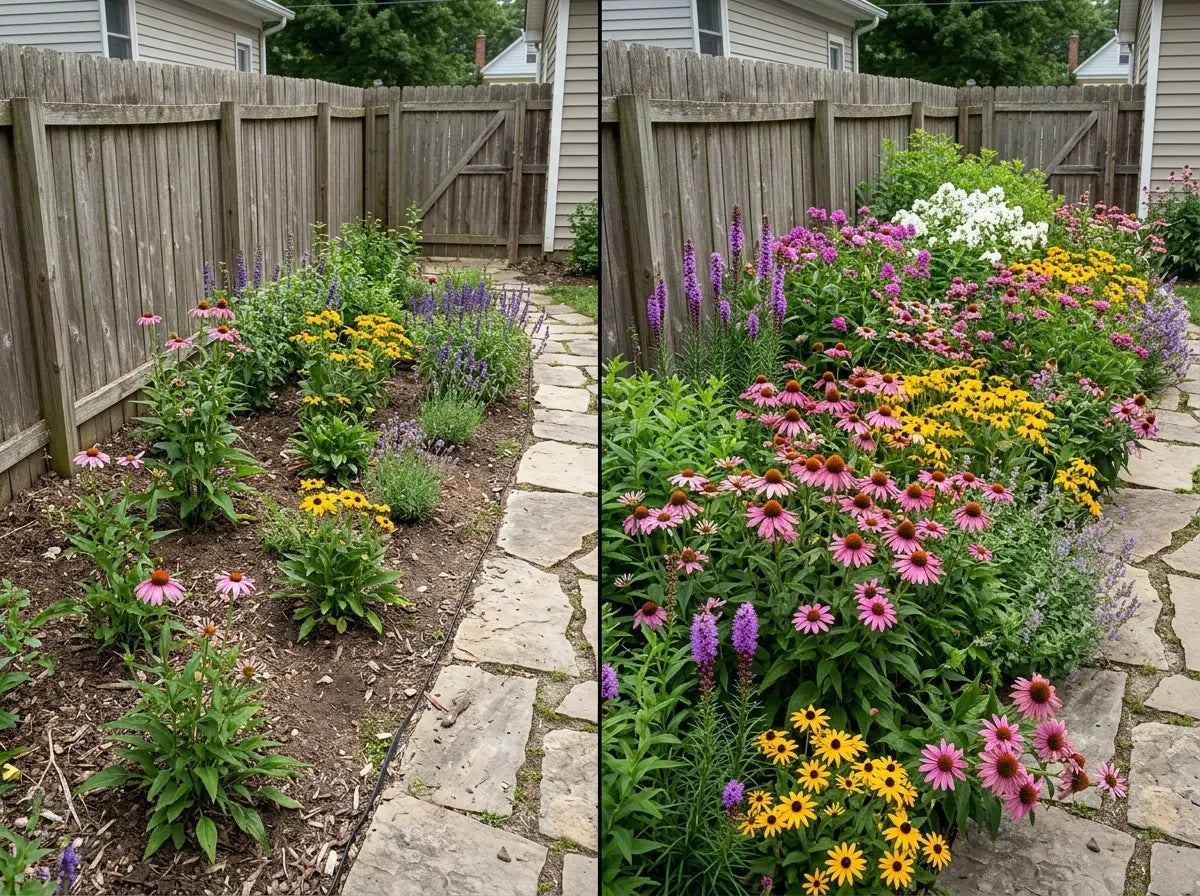
The zinnias I sowed last fall were flowering three weeks before the ones I started in spring, and the plants were nearly twice the size. I am not going back to spring sowing.
Seed pricing runs on the spring rush. Demand peaks in March and April, and so does what you pay.
Right now the whole catalogue is discounted. That means the varieties you sow this month come in at the lowest price of the year — and anything you decide to store for next season does too.
The feelingNot paying the April premium like everybody else.
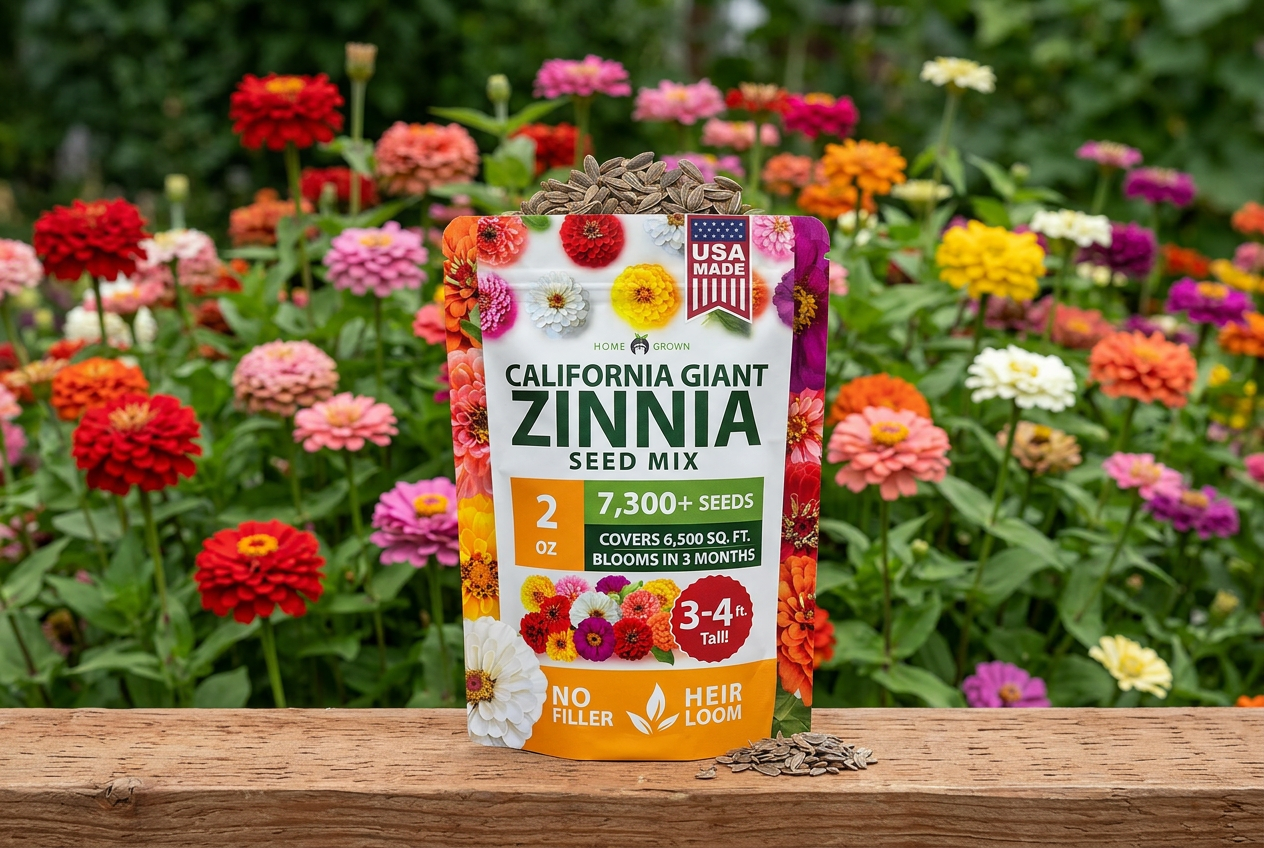
The deeper reason people spend so much every year is that most garden centre stock is hybrid — bred so its seed will not grow back the same. Collect it, sow it, and you get something weaker or nothing at all. So you go back.
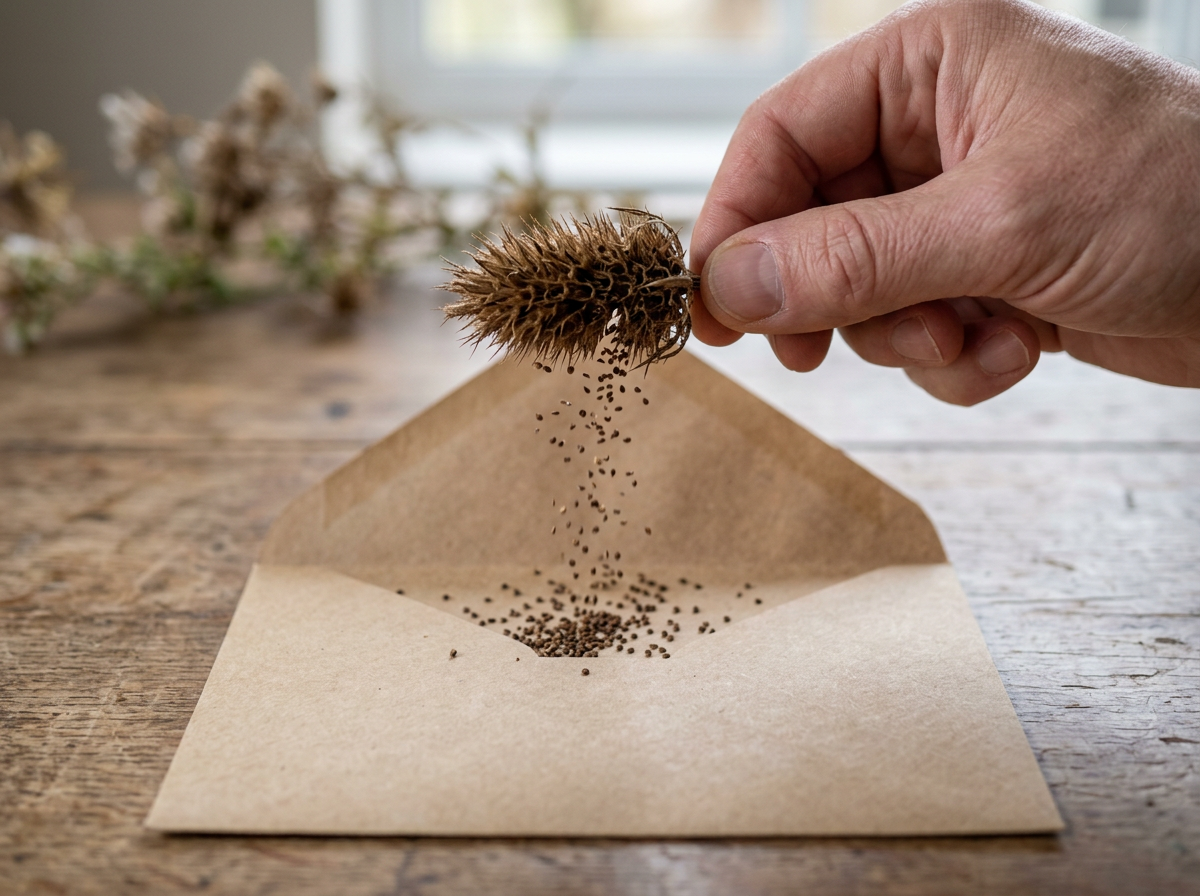
Every variety here is open-pollinated heirloom. Leave a few heads to dry at the end of the season, collect the seed, and next year’s planting costs nothing. Several of them self-seed on their own if you would rather do nothing at all.
The feelingDriving past the garden centre in April with nothing to buy.
None of this works if the payoff requires daily attention through the hottest weeks of the year.
These are notably drought tolerant once established, and zinnias in particular are among the more reliably deer-resistant annuals available. Water regularly through germination, then largely leave them alone. Choosing the one window that still works should not also mean a fussy maintenance routine.
The feelingA bed that does not become a second job.
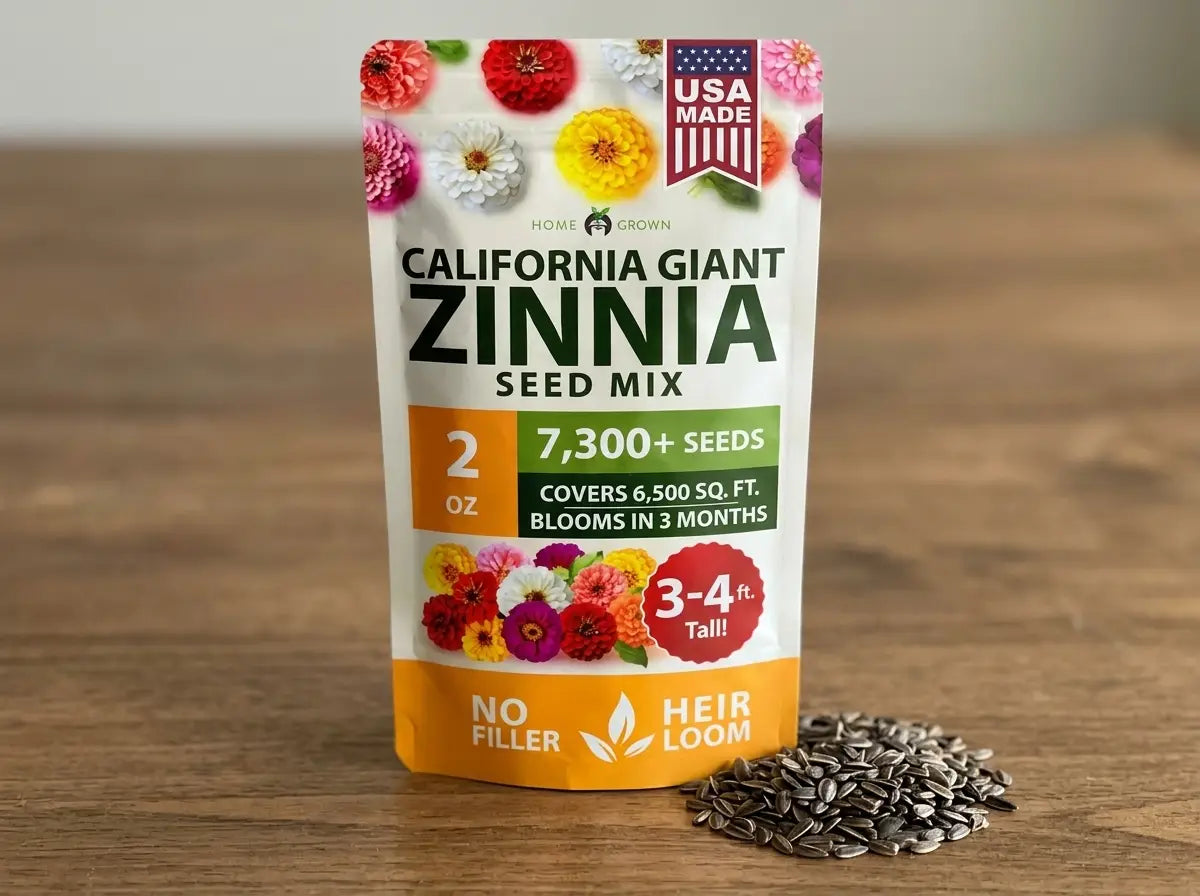
Fall sowing is the only way I plant zinnias now. Earlier, stronger, and I skip the whole spring scramble.— Karen M., Oregon
I assumed August meant I had missed the whole year. Turns out it was the right month for half of what I wanted to grow.— Tanya B., Missouri
Zinnias have gone in the ground in autumn at my place for fifteen years. That is simply how they are meant to be sown.— Bill H., Pennsylvania
Heirloom Non-GMO · USA Sourced · Seed Count Printed on Every Bag · Free Shipping Over $49.99
Shop Late Bloomers →| Most August Seed | Fast Bloomers | |
|---|---|---|
| Days to bloom | 90+ days, often more | 45–75 days |
| Finishes before frost | Usually no | Yes, by design |
| Performance in real heat | Stalls or mildews | More prolific |
| Days-to-bloom disclosed | Rarely, if at all | Stated upfront |
| Grows back next year | Hybrid — no | Heirloom — yes |
| Watering after establishment | Frequent | Drought tolerant |
| Guarantee if it fails | None | 60-Day Bloom Guarantee |
For most of the country, no. These reach bloom in 45 to 75 days, which still clears first frost across the great majority of US zones if you sow this week. The honest move is to check your own average first frost date and count back — it takes about thirty seconds and removes the guesswork entirely.
Then your window is tighter and you should pick from the fastest end of the range, or store the seed and sow next spring instead. Heirloom seed keeps for years in a cool dry drawer, so nothing is wasted either way. The point of this page is that the answer depends on your frost date, not the calendar month.
Usually that is old stock, poor storage, filler bulking out a cheap packet, or — most often at this time of year — the wrong variety for the month. These are heirloom, USA-sourced, with the count printed on the bag, and covered by the 60-Day Bloom Guarantee. If they do not come up, you are refunded, not out the money.
Sprouts in seven to ten days, first blooms in roughly 45 to 75 days depending on the variety, then continuous flowering until your first frost. Sown in the third week of August, that generally means colour from early October onwards across most of the country.
Seed pricing follows the spring rush, so August is genuinely the low point in the year. Beyond that, these are heirloom and open-pollinated — collect seed at the end of the season and the second year costs nothing at all. The saving compounds rather than being a one-off discount.
Sunflowers need 70–100 frost-free days and react badly to shortening daylight. Dahlias need a full season to establish from tubers. Neither can finish from an August start in most regions.
Fast, heat-loving annuals — zinnias, cosmos, nasturtium and fast-establishing wildflower mixes.
Search your city plus “average first frost date”. Count back 45–75 days to see whether a sowing now still fits.
No. All are direct sow — scatter, cover lightly, water in.
Lightly. Most need barely covering — a quarter of an inch is plenty.
Keep the bed consistently moist for the first two to three weeks. After that they are notably drought tolerant.
Full sun, six hours or more, for the strongest bloom.
Zinnias are among the more reliably deer-resistant annuals; cosmos is moderately so. Nothing is deer-proof in a hard year.
Cool, dark and dry — a paper envelope in a drawer is enough. Viable for years.
Yes — all heirloom and open-pollinated, so what they drop grows back as the same flower.
60-Day Bloom Guarantee — contact us for a full refund.
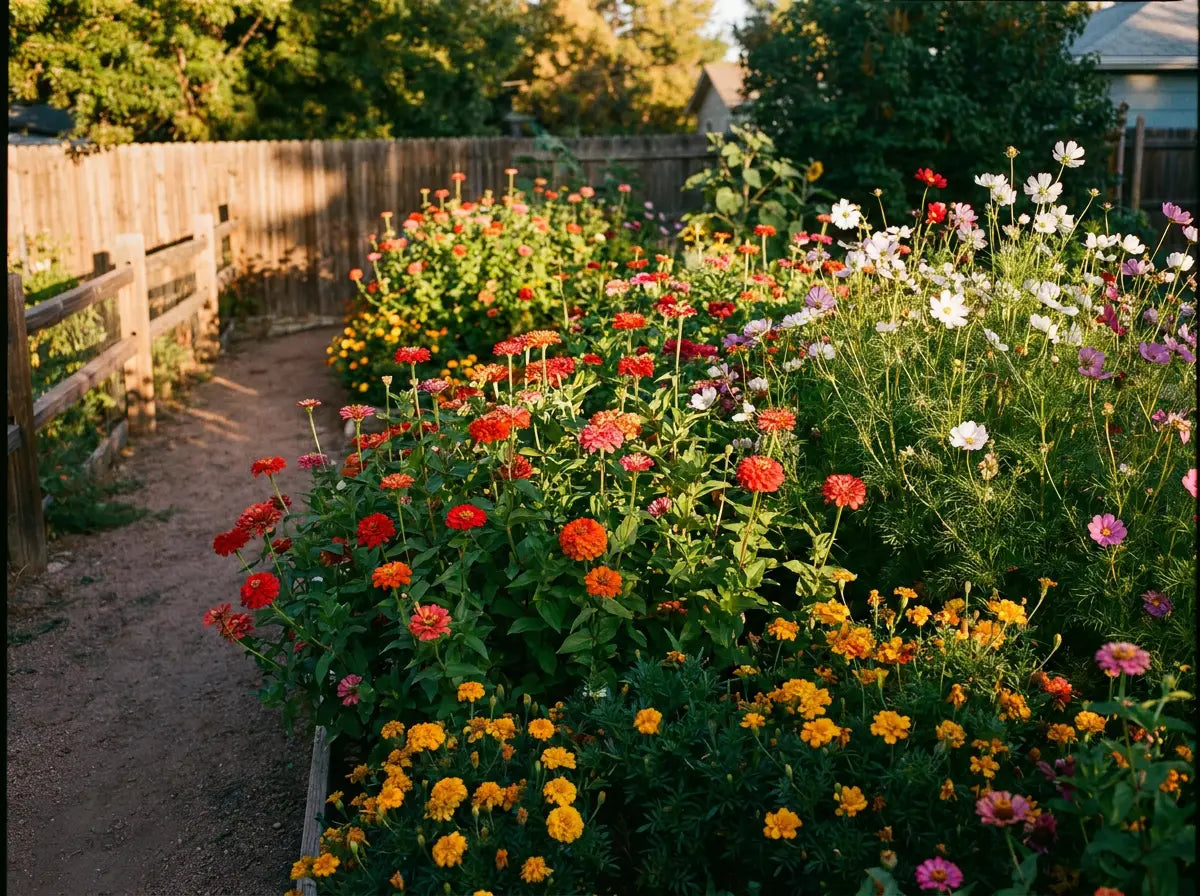
The mistake is not planting in August. It is planting the wrong things in August, then concluding that seed does not work.
Count the days. Check your frost date. If it fits — and for these, right now, it does — there is no real reason to wait until next spring to plant something.
Shop Late Bloomers →This is a paid advertisement for Homegrown Garden. Bloom timing depends on local climate, soil and first frost date — check yours before sowing.
© Homegrown Garden · Advertisement