

Garden center flowers are bred so their seed will not grow back the same — that is why you rebuy every year. These do grow back. Sow them this month, collect the seed in autumn, and you are done buying flowers.
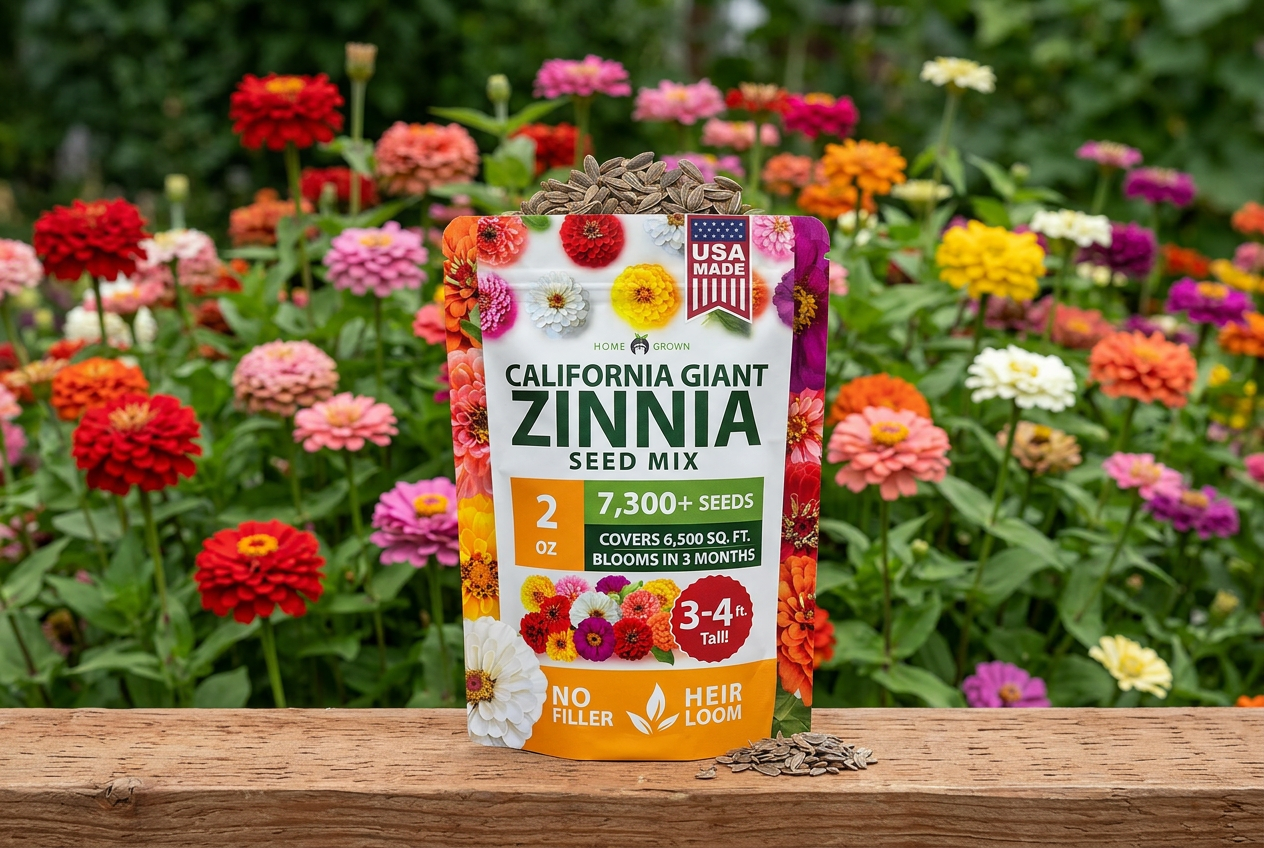
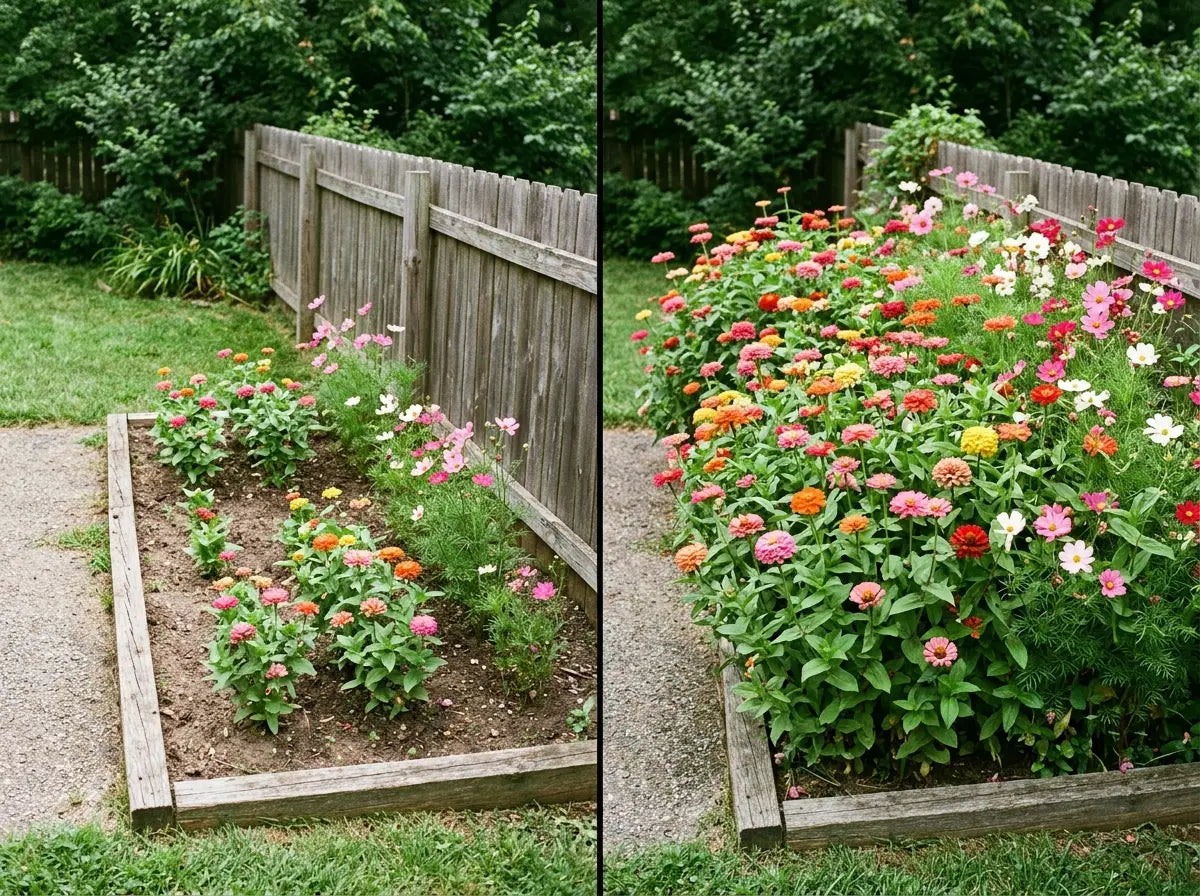
One bag of seed. The second year cost nothing.
Here is the question worth answering before you close this page: why buy flower seed in September at all?
Because of what happens in April. Every spring you go back to the garden centre and buy the same flowers you bought the spring before. Most people assume that is simply how gardening works.
It is not. It is how the product is designed. Almost everything sold at a garden centre is hybrid — bred for uniformity and shelf life — and one property is rarely mentioned at the till: the seed does not grow true. Collect it, sow it next year, and you get something weaker, or different, or nothing. So you come back. Every April, forever.
Heirloom seed is open-pollinated. Its offspring match the parent plant. Which means a bag of it is not one season of flowers — it is the beginning of a supply that renews itself, provided somebody tells you to leave a few heads to dry at the end of summer.
Nobody tells you. So here is that, plus six other things worth knowing — and why September, not April, is when this decision costs you least.
Sow them once. Collect the seed. Never buy them again. The part nobody mentions at the register
This is the whole mechanism, in plain terms.
Most garden center flowers are hybrids. If you collect their seed and sow it, you get something weaker, or a different colour, or nothing at all. So you go back and buy the plants again.
These are heirloom. The seed they drop grows into the same flower next year — same colour, same height, same plant. That one difference is what turns a purchase into a garden that restocks itself.
The feelingOwning the thing instead of renting it annually.
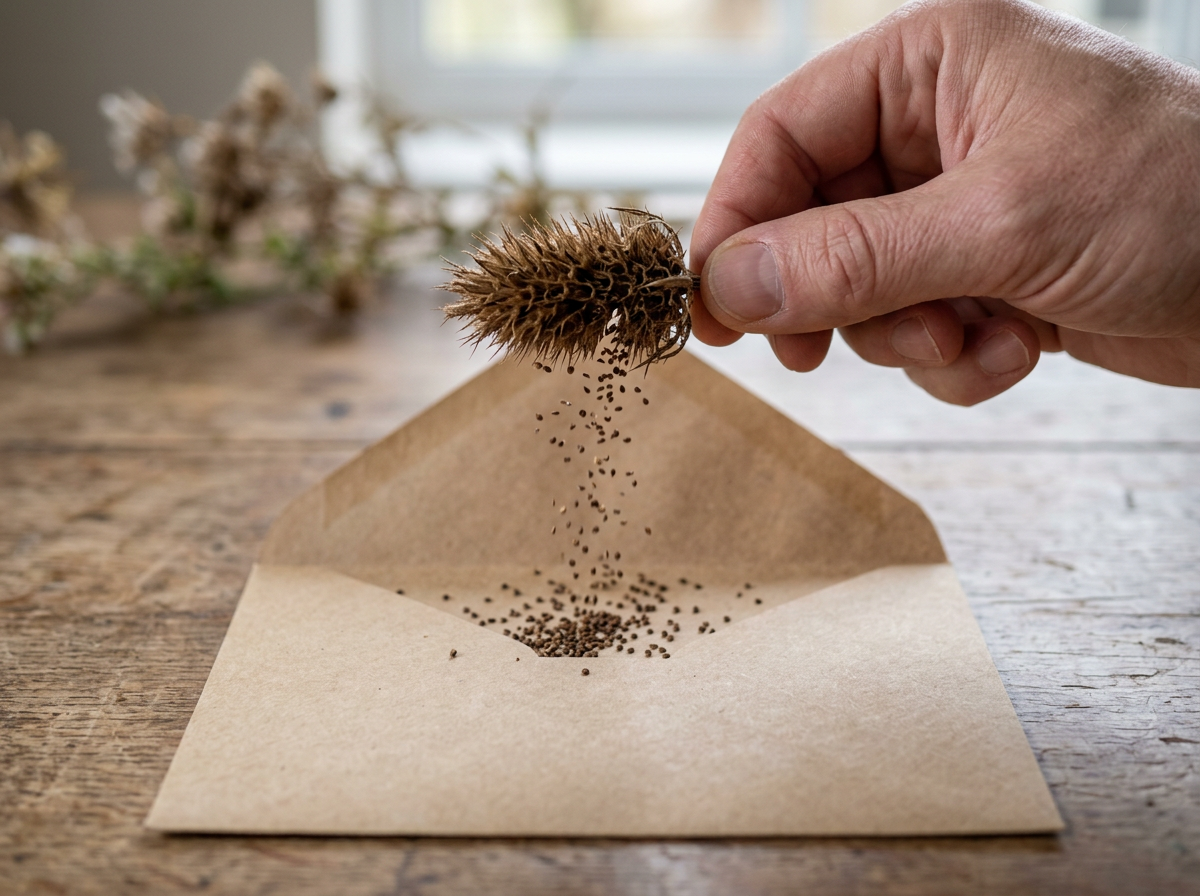
The reason most people never save seed is not difficulty. It is that nobody ever showed them.
Here it is in full. At the end of the season, stop deadheading a few flowers. Let them dry brown and papery on the stem. Snap the heads off into a paper envelope. Store somewhere cool and dry over winter. Plant next spring.
That is it. No equipment, no processing, no special storage. Ten minutes in October buys you next year’s garden.
The feelingDoing in ten minutes what you had been paying real money for every year.
Collected seed my first fall and haven't bought flowers since. This is year three.
If ten minutes is still ten minutes more than you want to spend, there is a lazier version that works nearly as well.
Do nothing. Leave the spent heads standing through fall. They dry, they shatter, the seed falls where the plant was, it overwinters in the soil, and a portion of it comes up on its own in spring.
You get less control over placement, and somewhat lower density than deliberate collection. You also get a garden that returns without a single decision from you.
The feelingSpring arriving with things already coming up.
This is the part people do not anticipate.
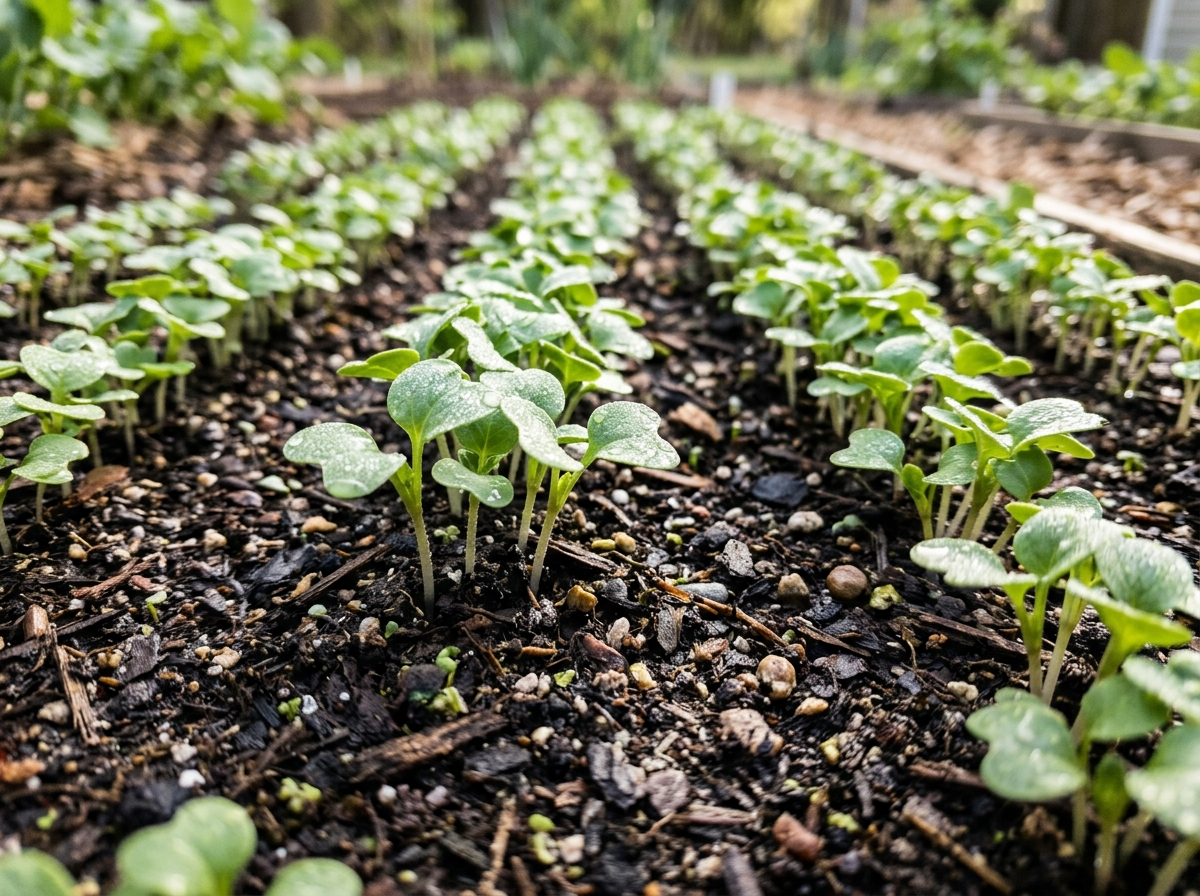
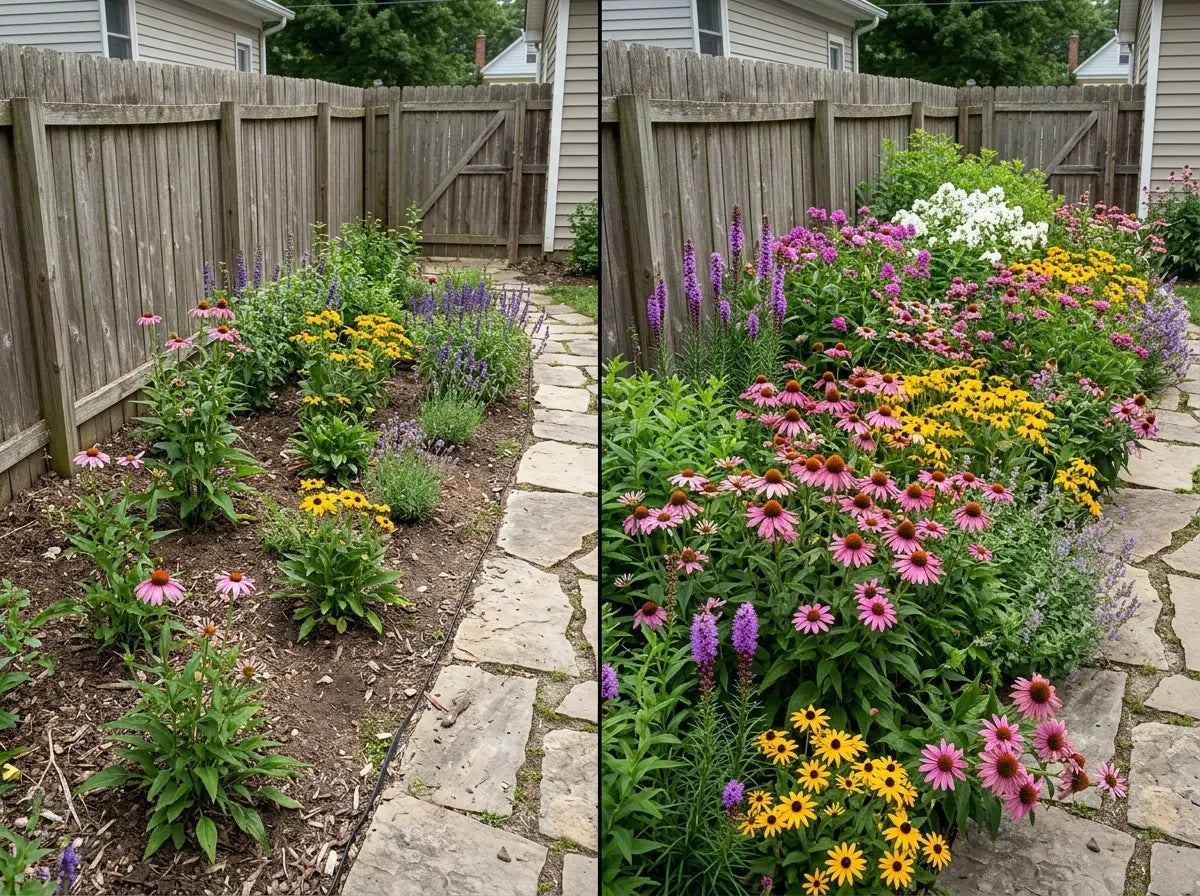
A first-year planting gives you a good bed. But every one of those plants produces far more seed than you started with — a single head holds dozens. So year two is not a repeat of year one, it is a larger version, from more seed, in soil that is already established.
By year three most people are giving seed away because they have more than they can plant. That is the normal trajectory, not the exceptional one.
The feelingA garden with momentum.
Worth noting that the compounding argument only matters if the starting point is generous — and this one is.
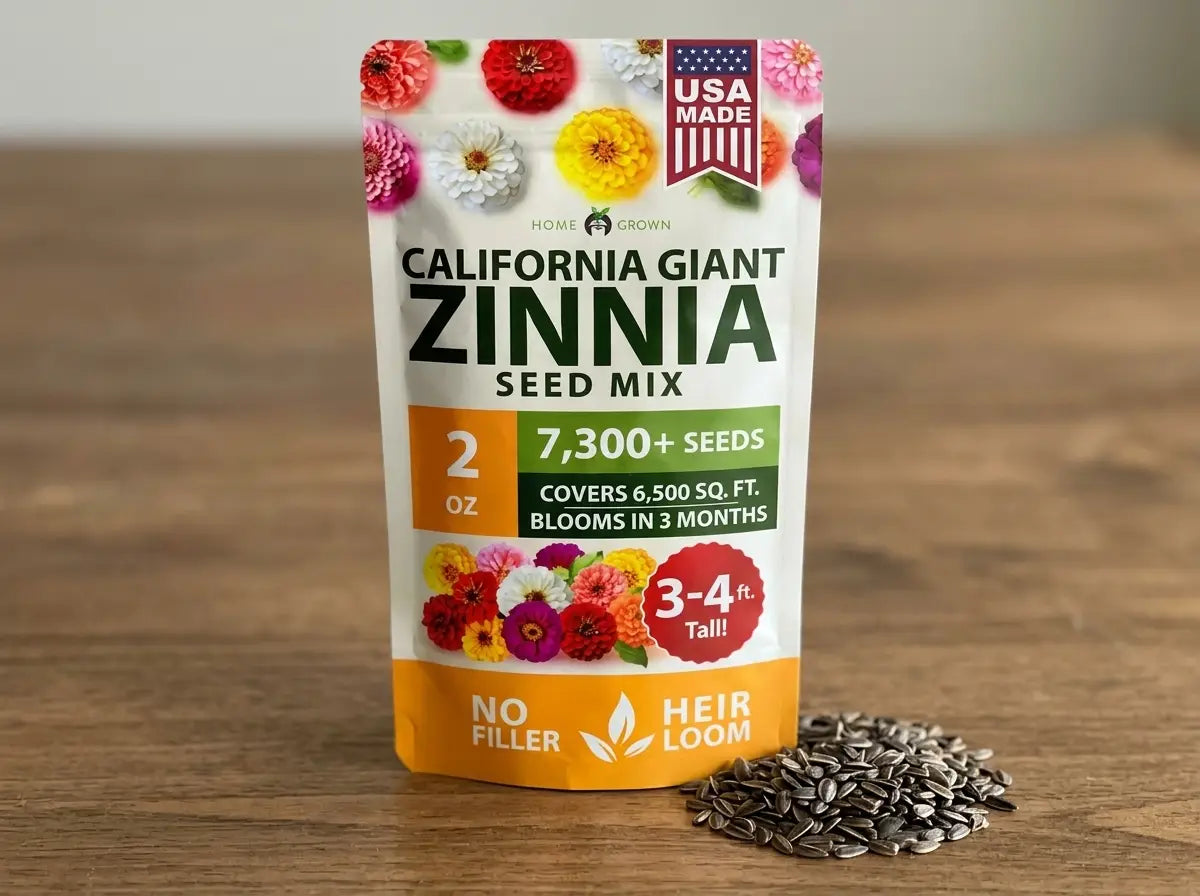
44,800+ seeds across three varieties. Store seed packets carry 20 to 100. Most people will not plant this entire amount in year one, which means you are already holding surplus before the first flower opens.
The feelingPlanting generously instead of counting seeds into a furrow.
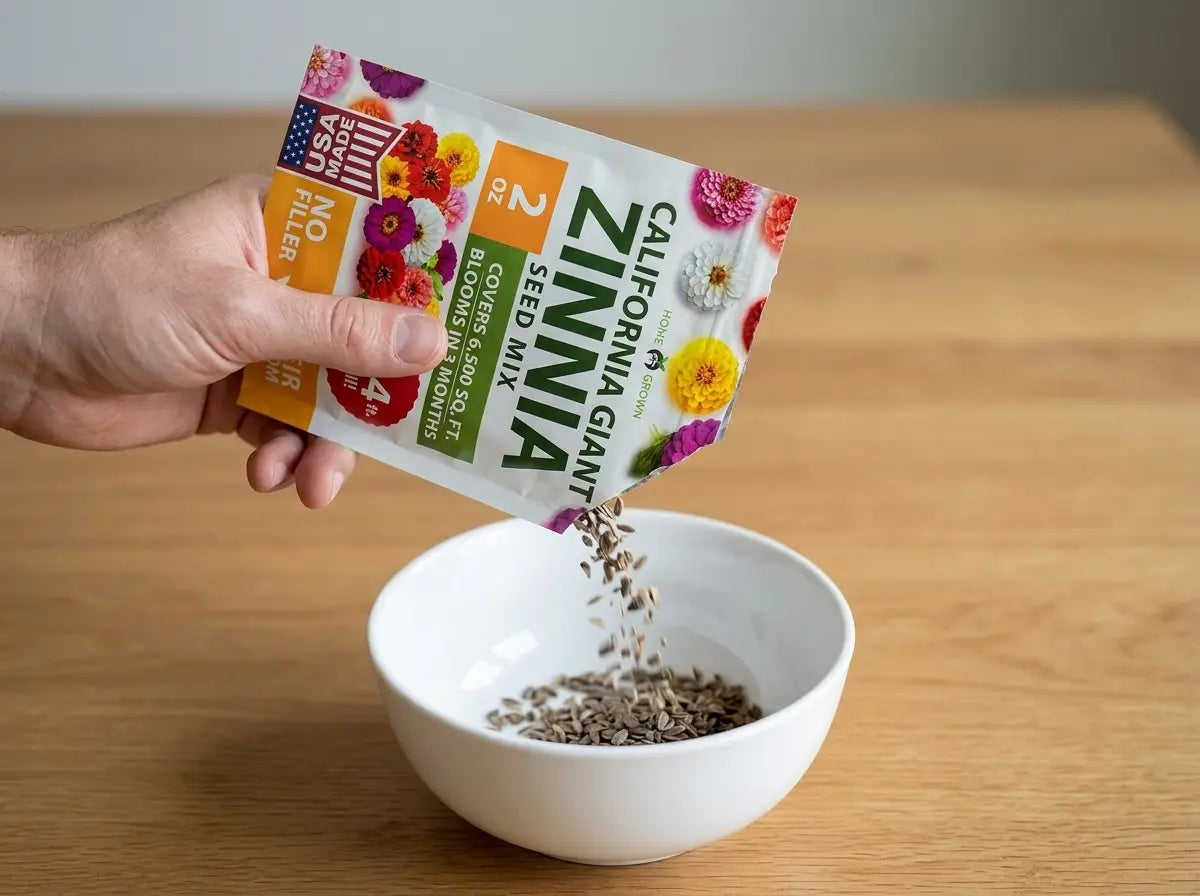
I could not believe how many seeds were actually in the bag. Planted generously and still had extra to give away.
A perpetual system only works if the maintenance is sustainable, and this is where these particular varieties earn their place.
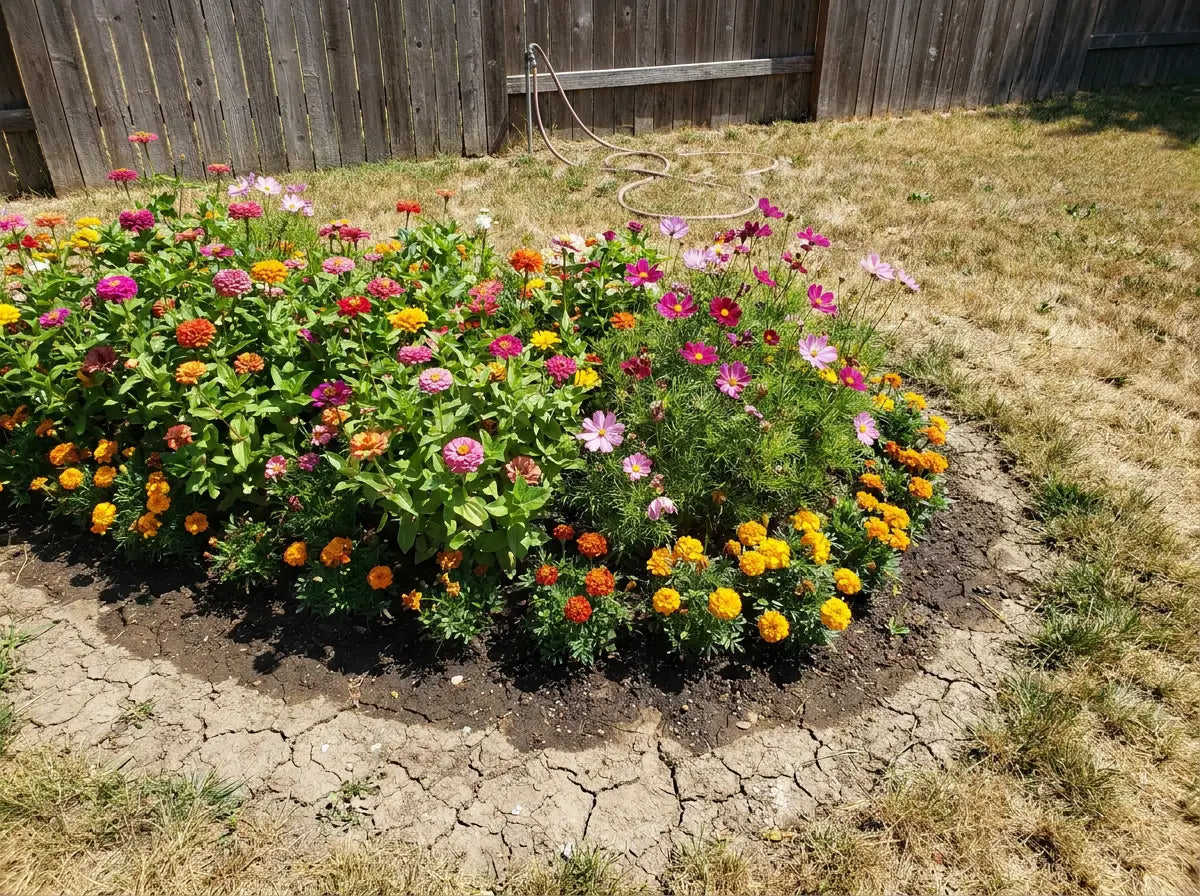
All three are drought tolerant once established, deer resistant, and unfussy about soil. No feeding schedule, no pest program, no fencing, no staking. The commitment is one afternoon of planting and occasional water in a dry stretch.
The feelingA system that does not quietly become a second job.
Run it out over five years.
Garden centre annuals at three to six dollars each, replaced every spring, plus the mid-season replacements for whatever did not make it. Call it $150 a year, conservatively. Five years is $750.
Or $39.99 once, this month, at September pricing — plus ten minutes each October. Seed costs least in September, because everyone else is buying in April.
The feelingDriving past the garden center in April with nothing to buy.
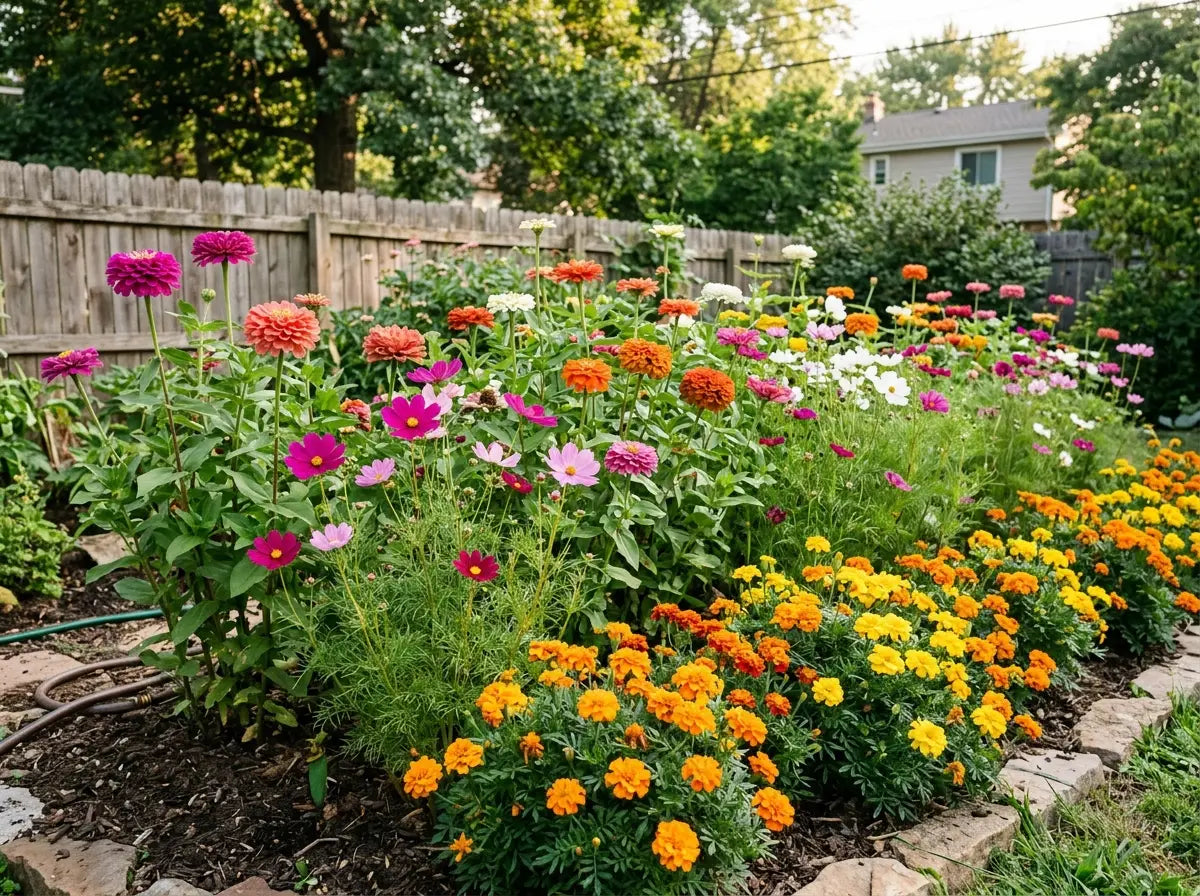
I haven't spent a dollar on flowers since my first bag. Third season now and the bed is twice the size.
I used to buy the same flats every April. I genuinely don't anymore.
I collect seed every October and give half of it away. Still have more than I can plant.
Open-Pollinated · Non-GMO · USA Sourced · Deer Resistant
Shop Now →| Garden Center Annuals | Hybrid Seed Packets | Home Grown Heirloom Seeds | |
|---|---|---|---|
| Year 1 cost | $150 | $5 | $39.99 |
| Year 2 cost | $150 again | $5 again | $0 |
| Year 5 total | $750 | $25 | $39.99 |
| Grows back the same next year | No | No | Yes — heirloom |
| Self-seeds | No | Rarely | Yes |
| Seeds included | 0 | 20–100 | 44,800+ |
| Guarantee | None | None | 60-Day Bloom Guarantee |
Saving seed is genuinely one of the easiest things in gardening — it is mostly not doing something you would otherwise do, which is deadheading every spent flower. The plant does the work. Your entire contribution is leaving a few heads alone in September and putting them somewhere dry.
Then do not, and this is still 44,800+ seeds for $39.99 — which stands on its own without any of the perpetuity argument. Saving seed is an option the product makes available, not a chore it requires. Plenty of people just plant, enjoy, and buy again if they feel like it.
Different strengths, honestly. Hybrids are typically bred for uniformity — same height, same timing, same colour, which matters commercially. Heirlooms carry more variation, which in a home flower bed usually reads as more interesting rather than worse. Where heirlooms have the clear advantage is adaptability over time: seed you save adapts to your specific soil and conditions across generations. For cut flowers in a backyard, the tradeoff favours heirloom.
Within a variety, minor variation over years is normal and generally not a problem — it is variation in colour or height, not a collapse into something unrecognisable. Different species will not cross with each other. If you want tight consistency, collect from your best-looking plants each year.
Stored badly, yes — heat and humidity are what kill seed. Kept somewhere cool, dark and dry, most flower seed holds well for several years. A paper envelope in a drawer is genuinely sufficient.
Open-pollinated, non-GMO varieties that reproduce true to type — meaning saved seed grows the same plant.
Let a few flower heads dry brown on the stem, snap them off, and store in a paper envelope somewhere cool and dry.
End of season, once heads are dry and papery — typically after first blooms have finished, before hard frost.
No. 44,800+ seeds for $39.99 stands alone.
Often yes, if you leave spent heads standing through fall.
Several years if kept cool, dark and dry.
California Giant Zinnia (7,300+), Bright Lights Cosmos (2,500+), African Cracker Jack Marigold (35,000+).
After your last frost date through early summer.
Very little. Water until established, then they are drought tolerant.
All varieties are deer resistant.
60-Day Bloom Guarantee — full refund.
Ships within 48 hours; 3-5 business days delivery.
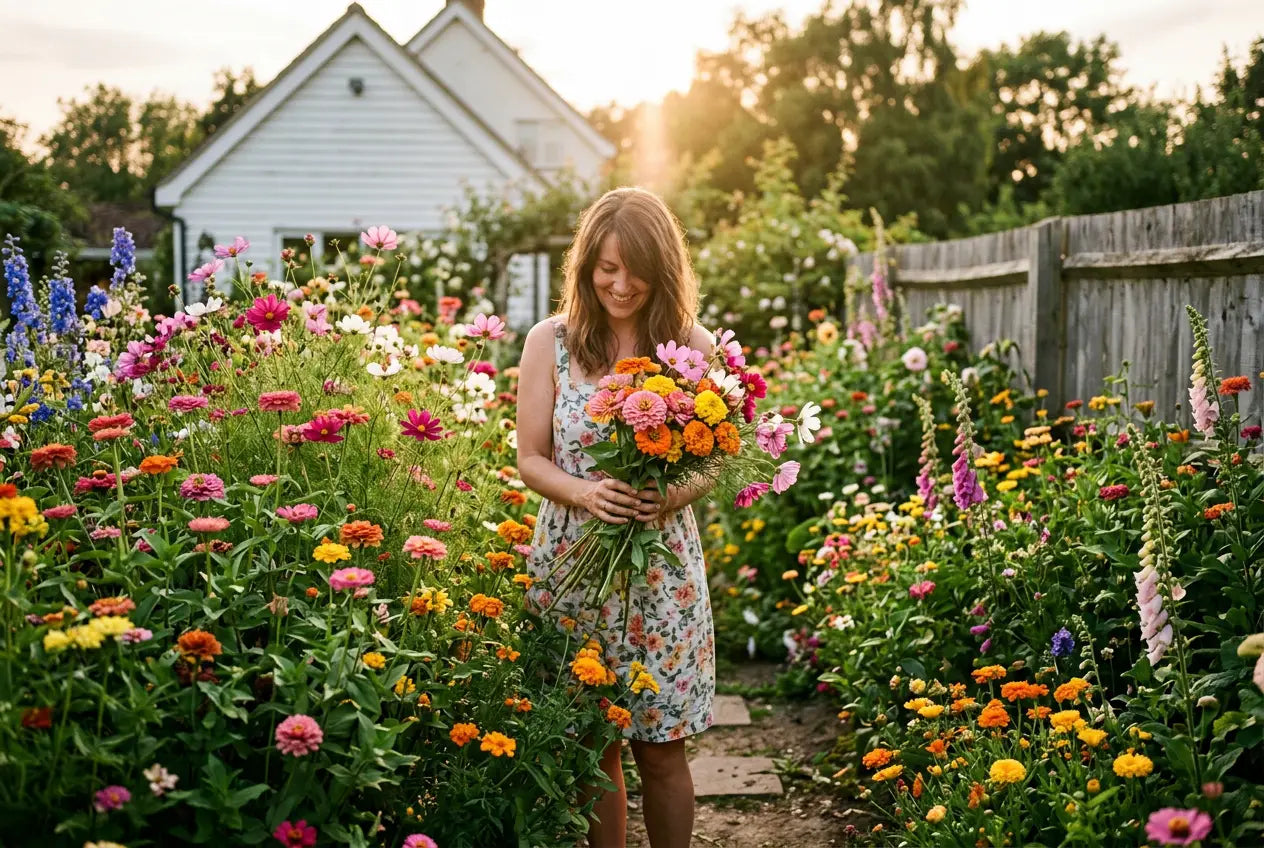
The bed is already coming up. There is an envelope in the drawer with more seed than you can use. The garden center is doing its April thing without you.
That is what a one-time purchase looks like, three seasons in.