

Every year, at exactly this point in the season, gardeners buy flowers that have sat root-bound and stressed on the shelf for months — then wonder why the bed never really takes off. That is roughly $1,000 over five years, spent again and again on the same mistake.
Here is what is actually on the shelf if you walk into a garden center today.
Flowers that have been sitting there for months — root-bound in their plastic pots, stretched and leggy from reaching for light, marked down because nobody wants them. And every year, at roughly this point in the season, people buy them anyway.
This is not a one-time slip. It is the same purchase, at the same point in the calendar, year after year — a tray of stressed plants, at close to full price, that needs weeks just to recover before it does anything at all. Call it $80 to $120 a year. Do that for five years and you are somewhere around $1,000 — spent on plants that were already exhausted before you got them home.
Here is the part almost nobody tells you at the register: there is a faster, cheaper way to fill that same bed today — heirloom seed that has not spent a summer stressed in a plastic tray, sown directly into the ground right when zinnias, cosmos and nasturtium are hitting their best stretch of the year.
You are not bad at keeping flowers alive. You keep buying flowers that already spent a season stressed in a plastic tray. The thing nobody says out loud while you are standing at the register
After a full season sitting in a plastic cell, this is what most of it looks like — and because it is hybrid stock, there is no cheaper way to start over next year either.
None of this is about which one you buy. It is about buying anything that has already spent a season stressed in a plastic tray, then paying it to recover in your own backyard.
Here is what is actually ready to go in the ground today.
Heat-loving annuals sown directly from seed — not stock that has spent a season stressed in a nursery tray. Sown today, they still have time to bloom before frost.
Run the numbers on what most people actually spend, this year included. A modest bed takes 15 to 20 garden center plants at $4 to $6 each — call it $80 to $120, plus whatever you spend later replacing stock that never really recovered.
Do that every year and five years puts you close to $1,000, sometimes more. Not because any single purchase felt expensive — because nobody adds up five identical trips.
The feelingSeeing the real number for the first time.
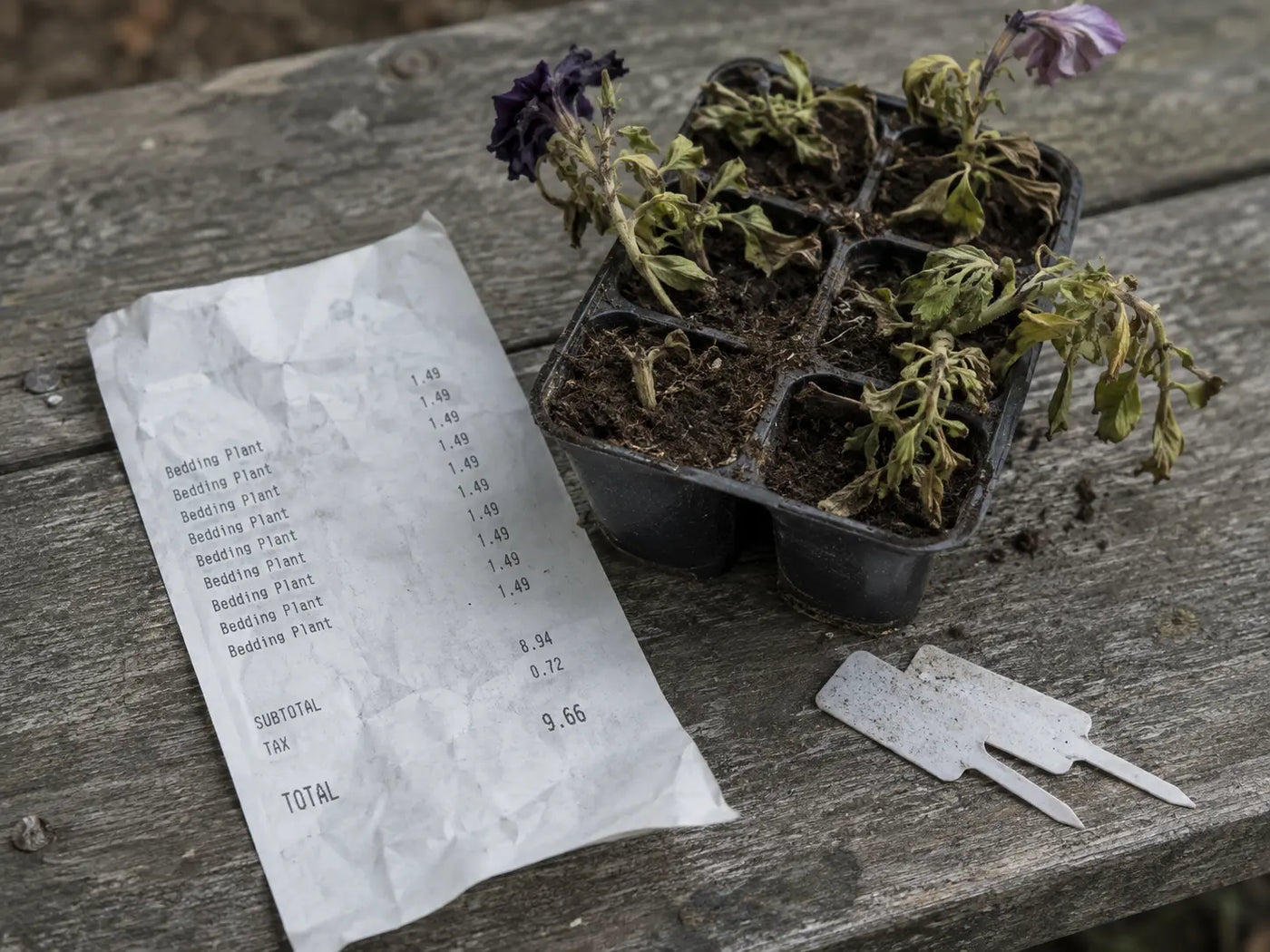
Garden center annuals arrive early in the year and, if unsold, simply sit — root-bound in the same small cell, watered just enough to survive, stretching for light. By the time you are looking at it today, it has already spent months under exactly the conditions that stress a plant hardest.
Buy it now and you are not starting a garden. You are adopting a plant that needs weeks just to recover, if it recovers at all.
The feelingUnderstanding it was never a fair fight.
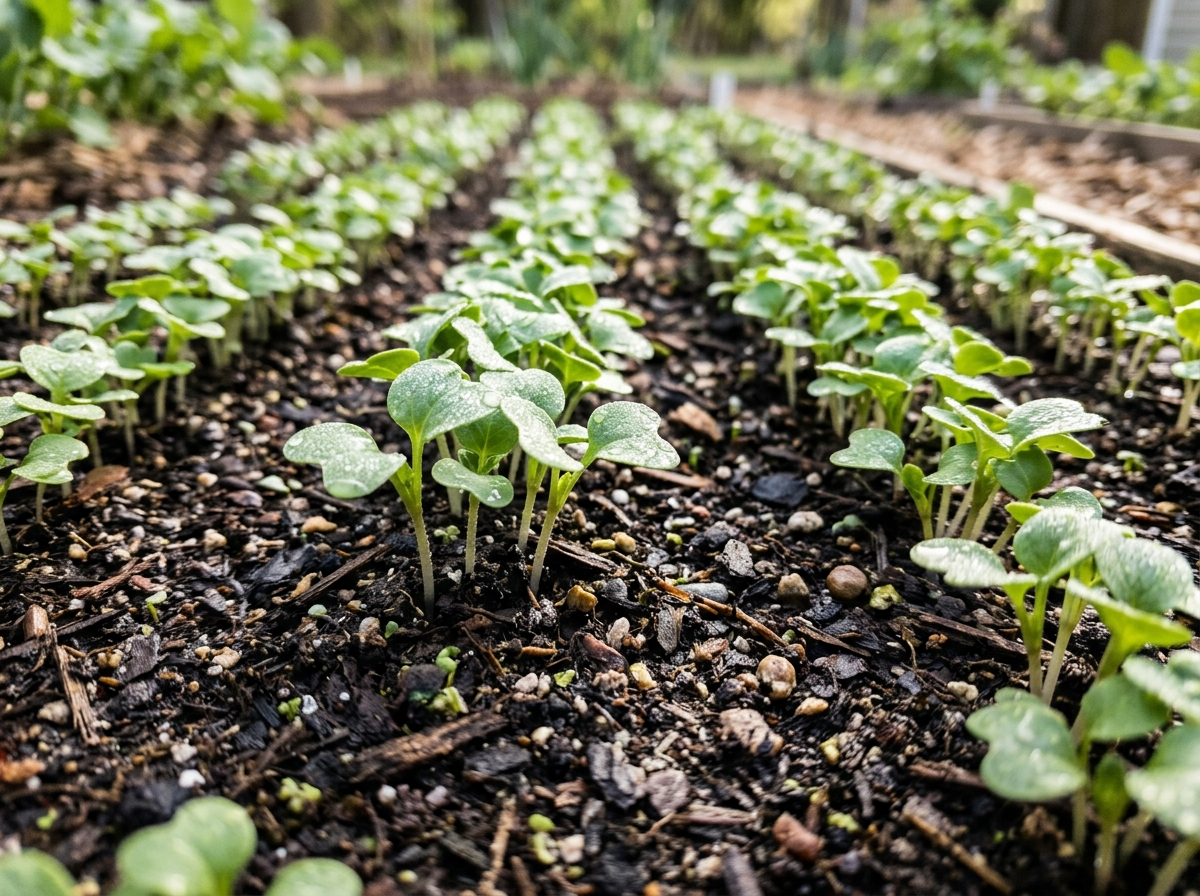
Zinnias, cosmos and nasturtium run on the opposite schedule. They are direct-sown, heat-loving annuals that build strength through the hottest weeks of summer instead of wilting under them.
Where a garden center petunia needs daily attention just to survive July, these are hitting their most prolific stretch by the time August arrives — and they keep going until first frost.
The feelingA bed that looks better in August than it did in June.
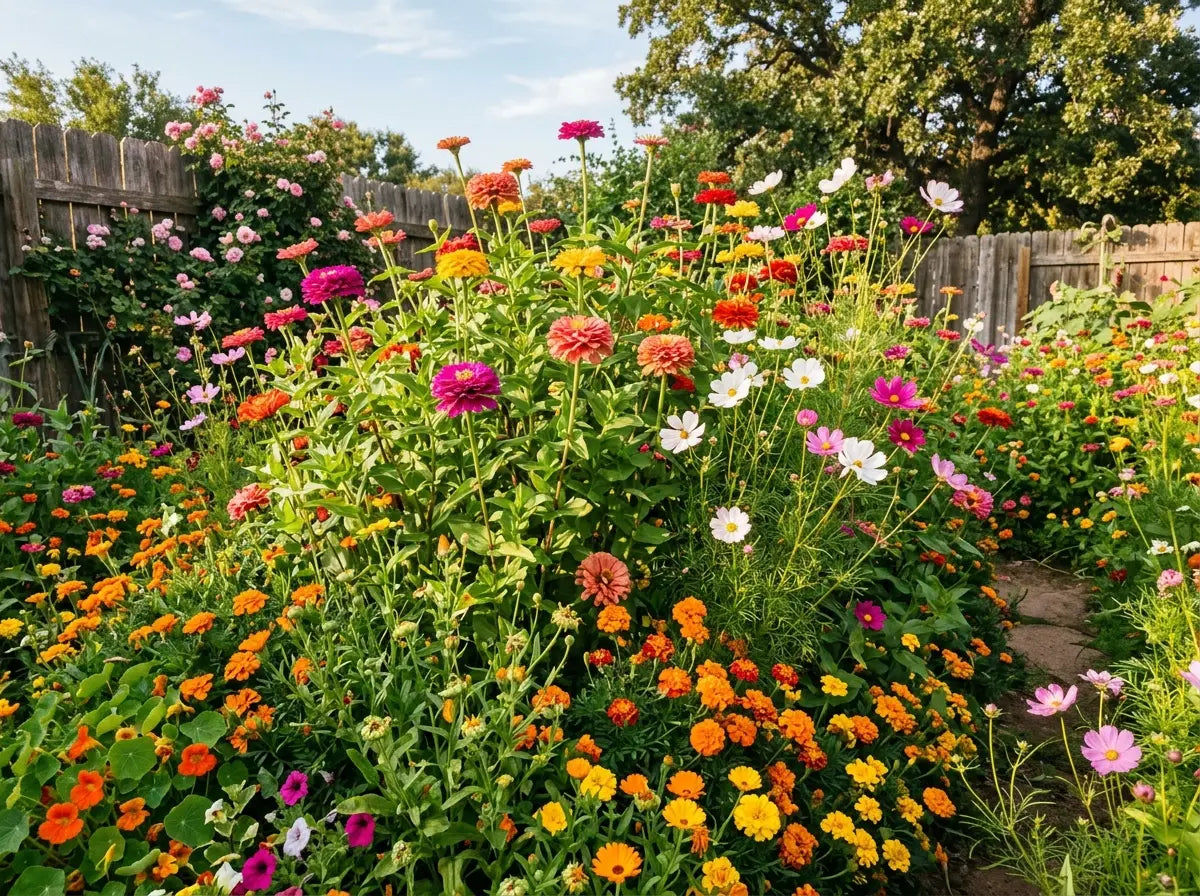
Garden center stock is almost always hybrid, bred for uniform shelf appearance. Even if you tried to save seed from it, the offspring would not reliably match the parent — weaker, different, or nothing at all.
That is not a fluke. Hybrid seed not breeding true is exactly what keeps you coming back to the same shelf every year, paying the same price for the same result.
The feelingUnderstanding why the cycle never breaks on its own.
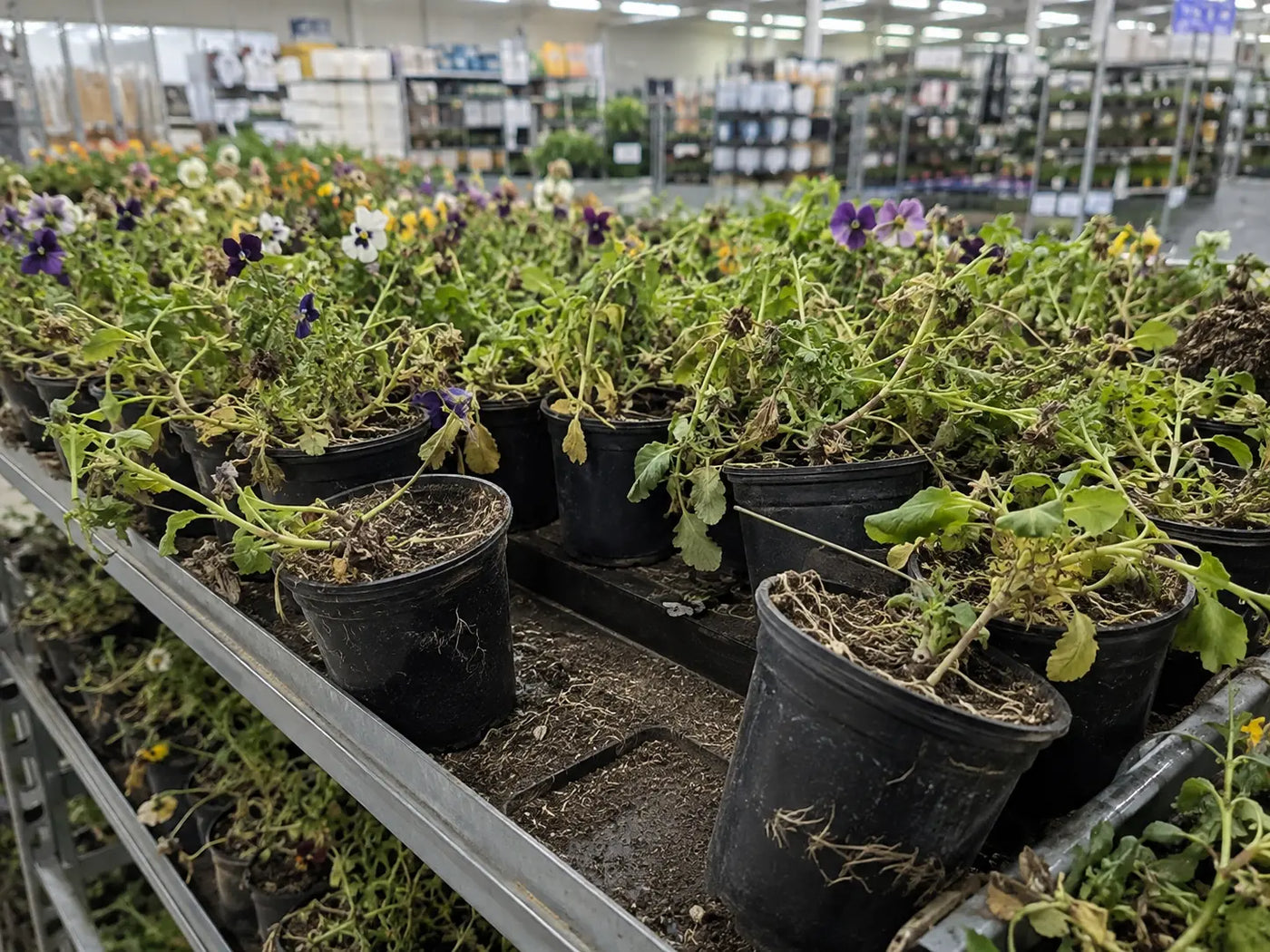
Every variety here is open-pollinated heirloom. Let a few heads dry on the stem at the end of the season, collect the seed, and next year’s bed costs nothing.
Most people do not do this the first year. By year two, almost everyone does — because the alternative is going back to pay $100 again for flowers that will fade by August anyway.
The feelingSkipping that trip to the garden center next year entirely.
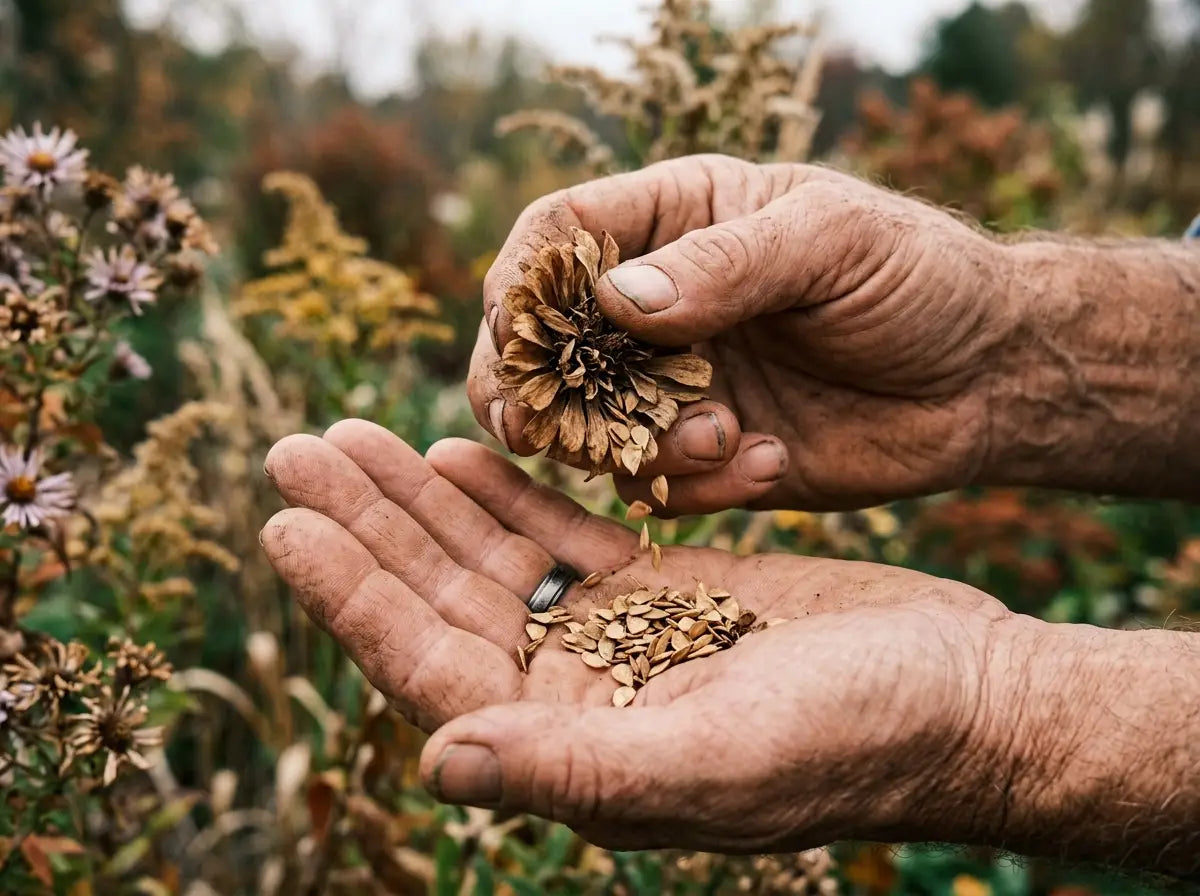
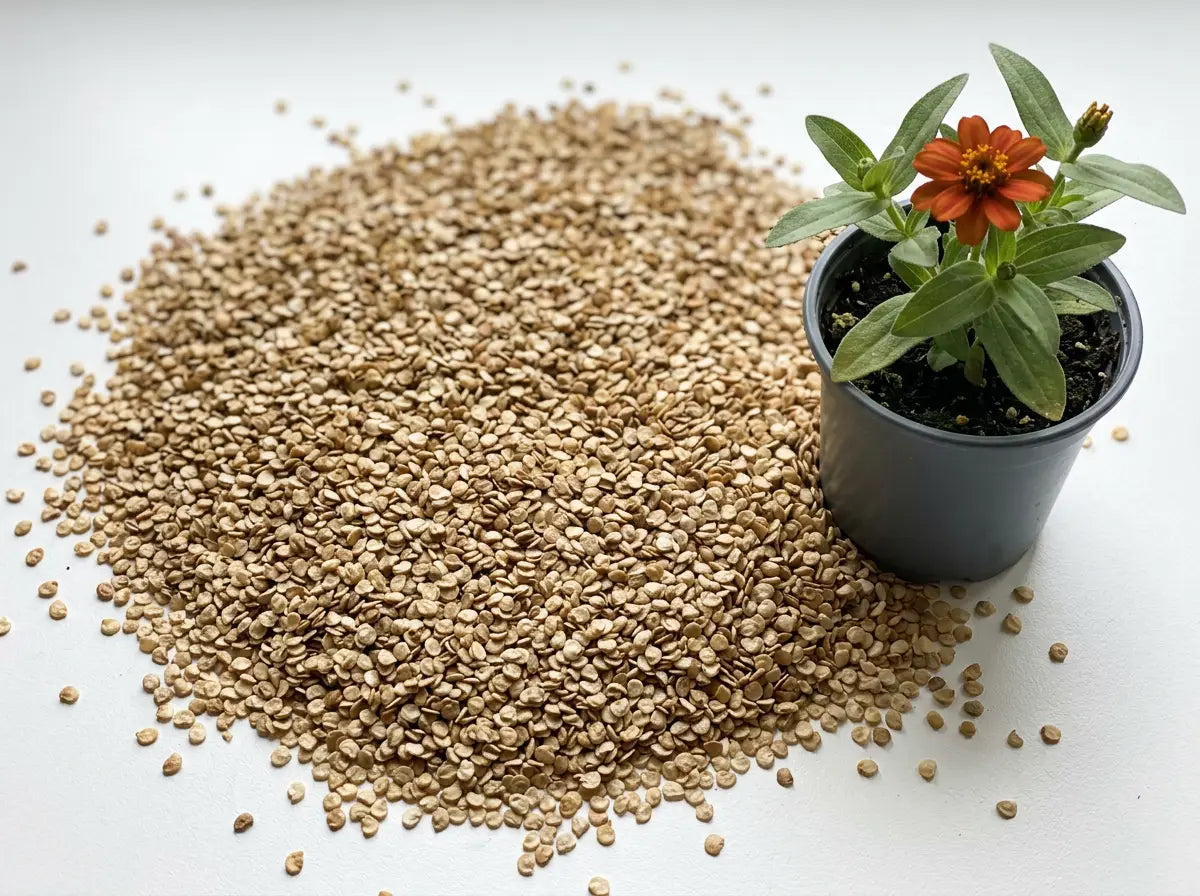
A single bag of 7,300+ zinnia seeds, from $39.58, works out to a fraction of a cent per seed. Even accounting for germination and thinning, that is nowhere near the $4 to $6 per plant a garden center charges.
One order plants what would otherwise cost hundreds of dollars in nursery-bought flowers — and unlike those, it is only getting started in August.
The feelingPlanting generously instead of rationing a $6 six-pack.
Every order is covered by the 60-Day Bloom Guarantee. If the seed does not germinate and produce flowers, contact us and it is refunded in full — no receipts, no argument.
You are not being asked to trust a stranger on the internet more than you trusted the garden center. You are being asked to risk less than one trip’s worth of flowers.
The feelingBeing willing to try the alternative.
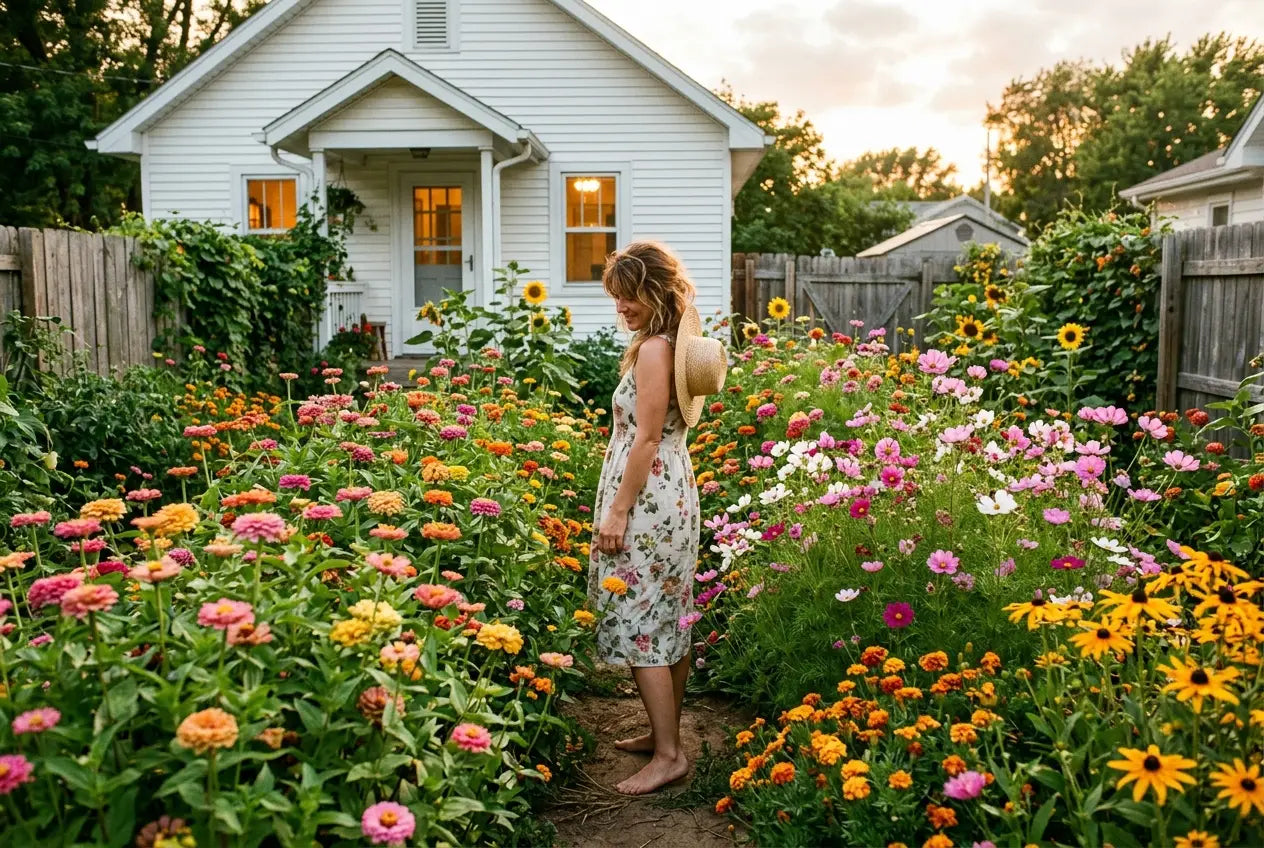
I added up five years of garden centre runs and it came to just under $900. That was the last trip I made.— Rachel P., Colorado
Everything I bought at the garden centre was finished by mid-July. The zinnias I direct sowed were still going in October.— Maria T., Texas
I stopped buying bedding plants years ago. One bag of seed does more than a whole flat ever did.— Jennifer K., Ohio
Heirloom Non-GMO · USA Sourced · Seed Count Printed on Every Bag · Free Shipping Over $49.99
Stop the $1,000 Cycle →| Garden Center Flowers | Home Grown Heirloom Seed | |
|---|---|---|
| Peak bloom | The day you buy it | Midsummer through frost |
| August performance | Fading or dead | Getting more prolific |
| Cost per plant/seed | $4–6 per plant | Under $0.01 per seed |
| Year 1 cost | $80–$120 | From $39.58 |
| Year 2 cost | $80–$120 again | $0 — collect your own seed |
| 5-year total | ≈$1,000 | From $39.58 |
| Guarantee | None | 60-Day Bloom Guarantee |
Fair — run your own numbers. Count what a typical yearly nursery-flower run actually costs you, including whatever you spend later replacing stock that never really recovered, and multiply by however many years you have been doing this. Most people are surprised how close they land to it once they actually add it up rather than feeling it one purchase at a time.
Then you are one of the exceptions, and this page is not really aimed at you — keep doing what works. This is written for the far more common experience: buying stressed, marked-down stock at this point every year without ever questioning why the bed never really takes off.
True, and worth saying plainly: you get a few weeks less instant gratification. What you get back is a plant that is only getting started when the garden center flower is already finished — and one purchase instead of five identical ones.
Usually that is old stock, poor storage, or filler bulking out a cheap packet — not a flaw in growing from seed itself. These are heirloom, USA-sourced, with the count printed on the bag, and covered by the 60-Day Bloom Guarantee. If they do not come up, you are refunded, not out the money.
For these, no — they are heat-loving and sown for exactly this stretch of summer. Zinnias, cosmos and nasturtium go from seed to bloom in roughly 45 to 75 days, so a planting now still gives you real color before frost across most of the country.
It varies by variety and the count is printed on every pack. California Giant Zinnia, for example, holds 7,300+ seeds in a single 2 oz bag.
Most of what is left on shelves has been root-bound in a plastic cell since early in the year, forced to survive months of heat with minimal care. It needs real recovery time even if it survives at all.
Yes. Zinnias, cosmos and nasturtium are heat-loving and reach bloom in roughly 45–75 days, well before frost across most of the country.
No. All are direct sow — scatter, cover lightly, water.
Seed cost per plant is a fraction of a cent versus $4–6 for a pre-grown flower, and heirloom seed lets you skip buying it again next year.
Open-pollinated and non-GMO — seed you collect grows back as the same flower next year, unlike hybrid garden center stock.
No. The first-year cost alone already undercuts a tray of garden center annuals by a wide margin.
Yes — all are notably heat and drought tolerant once established, which is the opposite of most nursery stock still on shelves this time of year.
Full sun, six hours or more, for strongest bloom.
Zinnias are among the more reliably deer-resistant annuals; cosmos is moderately so. Nothing is deer-proof in a hard year.
60-Day Bloom Guarantee — contact us for a full refund.
Ships within 48 hours. Standard US delivery is 3-7 business days, free over $49.99.
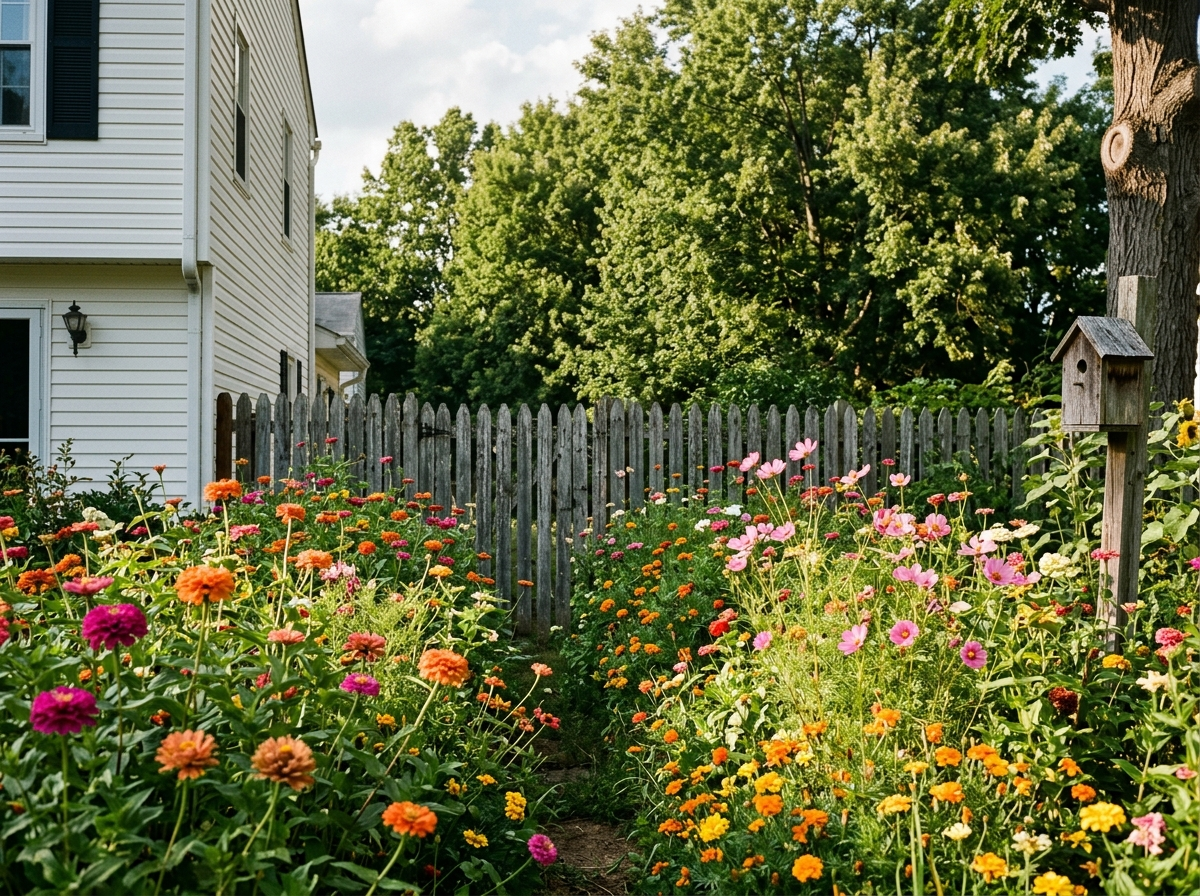
Next year, at this exact point in the season, the garden center will still be there — selling the same root-bound flowers at the same price.
You will not need any of it. What you plant today is still going strong, and what you collect from it plants next year for free.
Stop the $1,000 Cycle →This is a paid advertisement for Homegrown Garden. Results vary by climate, soil and season. $1,000 figure reflects a typical five-year garden center spend and is illustrative.
© Homegrown Garden · Advertisement