



If you're looking for a bean that's as beautiful as it is productive, the Royal Burgundy bush bean is a fantastic choice. These beans are famous for their stunning, deep purple pods that—almost like magic—turn a vibrant green the moment they hit the heat. For new gardeners, they're a dream come true, thanks to their tidy, compact growth and a surprisingly fast harvest time. Most years, you'll be picking beans in less than two months.
7 Reasons to Grow Royal Burgundy Beans
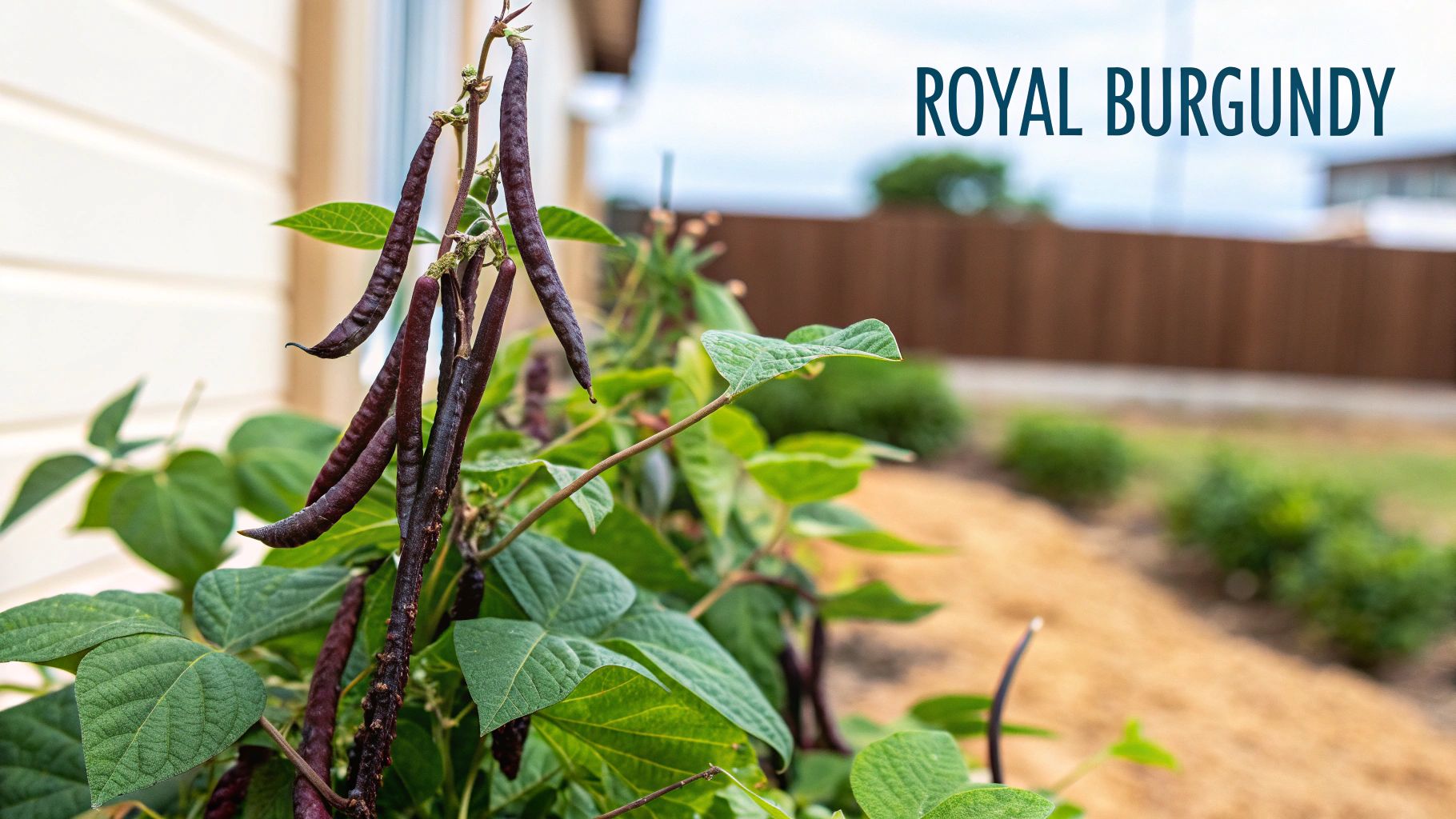
It’s not just the striking color that makes this bean a garden standout. Its reliable, no-fuss nature and generous yields have made it a favorite for gardeners working with any amount of space, from sprawling plots to a few pots on the patio.
Before we dive into the details, here's a quick overview to get you started.
Royal Burgundy Bush Bean At-a-Glance
This table breaks down the essential facts you'll need for a successful harvest.
| Characteristic | Details |
|---|---|
| Plant Type | Bush Bean, Annual |
| Scientific Name | Phaseolus vulgaris |
| Days to Maturity | 50–60 days |
| Plant Height | 18–24 inches |
| Pod Length | 5–6 inches |
| Sun Exposure | Full Sun |
| Soil Preference | Well-drained, fertile loam |
| Special Feature | Purple pods turn green when cooked |
This should give you a solid foundation for planning your garden space and timing.
1. Quick and Compact Growth
One of the best things about this variety is how quickly you get results. These compact plants race from seed to harvest in just 50 to 60 days, with most of my own harvests happening right around the 55-day mark. They top out at a very manageable 18–24 inches tall, which means they're perfect for tucking into small garden beds or even growing in containers on a balcony.
2. No Trellis Required
Unlike pole beans that need extensive support, this is a true bush bean. Its sturdy, self-supporting structure means you can skip the hassle of building trellises or installing stakes.
3. High Yield and Great Flavor
Don't let the compact size fool you—these plants are workhorses. Royal Burgundy is known for being incredibly productive, churning out a ton of tender, stringless pods that average about 5–6 inches long. For more specifics on its growth habits, various seed supplier guides offer excellent in-depth information.
4. A Magical Color Change
The real fun is the kitchen transformation. The anthocyanin pigments responsible for that gorgeous purple hue are sensitive to heat. When you cook them, they break down, revealing a bright green bean underneath. It’s a neat trick that always gets kids interested in eating their veggies.
5. Excellent Disease Resistance
This variety has a knack for shrugging off common bean diseases, especially in humid climates. It’s particularly resistant to white mold, which is a game-changer in wet regions where other beans might struggle.
6. Perfect for Small Spaces
Because of their compact, bushy habit, Royal Burgundy beans are ideal for container gardening, raised beds, or square-foot gardening. You can enjoy a bountiful harvest even with limited space.
7. Easy for Beginners
With their fast growth, minimal support needs, and forgiving nature, these beans are one of the best choices for someone just starting their gardening journey.
3 Steps for Getting Your Garden Ready
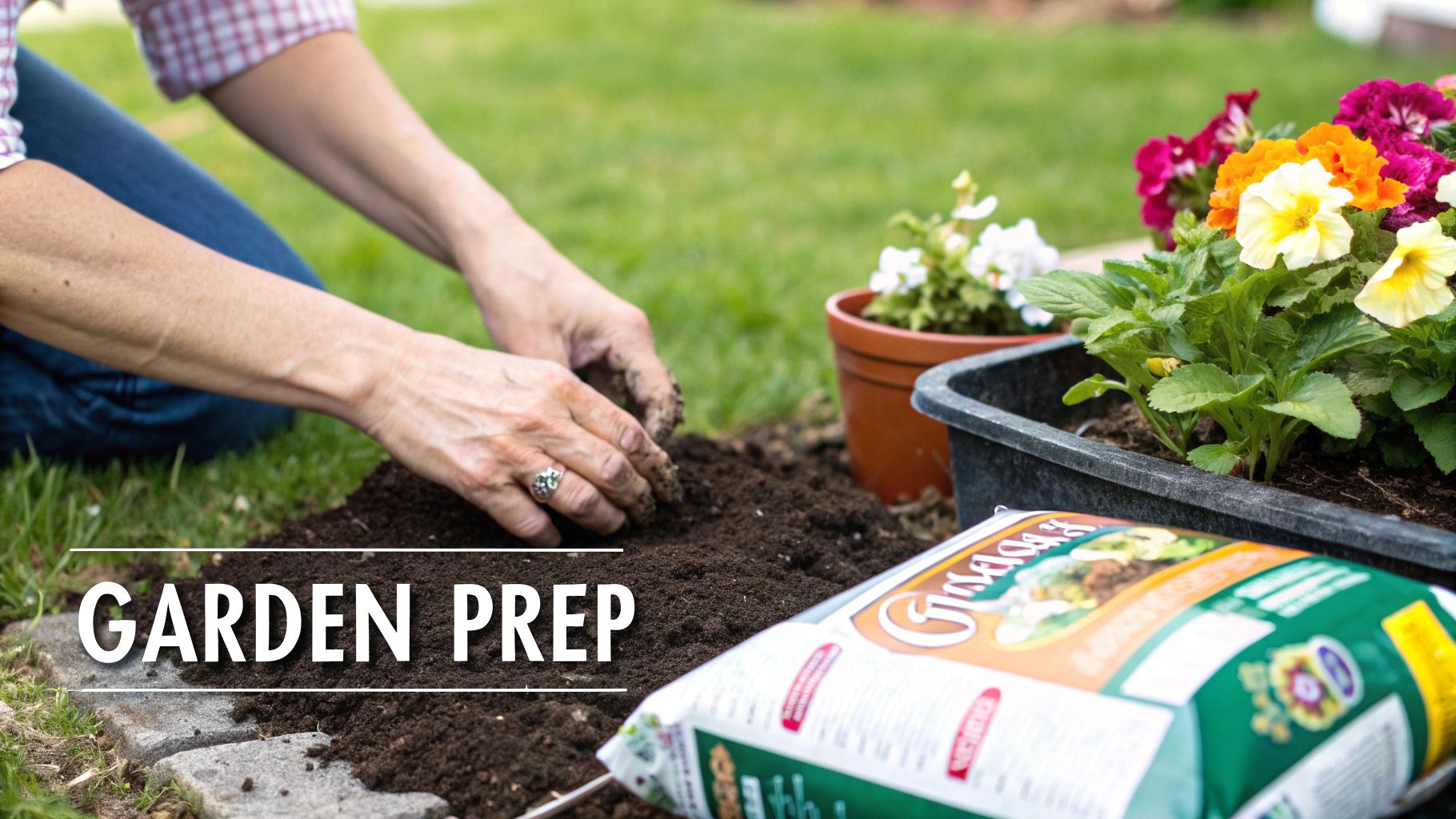
A fantastic harvest of Royal Burgundy bush beans doesn't start with the seed—it starts with the prep work. If you nail three key things—sunlight, soil, and seeds—you’re well on your way to a garden overflowing with those gorgeous purple pods.
1. Find a Full-Sun Location
These beans are total sun-worshippers. To get the best production, they need at least 6 to 8 hours of direct sunlight every day. Before you even think about digging, take a day to scout your yard and find a spot that gets blasted with sun, especially during the peak afternoon hours. A south-facing bed is usually a safe bet. If they don't get enough light, you'll end up with leggy plants and a disappointing handful of beans.
2. Dial in Your Soil
Once you've picked the perfect sunny spot, it’s time to get your hands dirty. Royal Burgundy beans aren't too fussy, but they do have a sweet spot: they love well-draining, fertile soil with a pH that’s slightly acidic to neutral, somewhere between 6.0 and 7.0. The single biggest enemy here is "wet feet"—soil that stays waterlogged will rot the roots in a heartbeat.
If you’re dealing with heavy clay soil, amending it is essential. Work a few generous shovelfuls of good, mature compost into the bed to improve drainage and fertility. For a deeper look at getting your soil just right, check out our guide on preparing garden soil for planting.
One of the biggest mistakes I see new gardeners make is skipping soil prep. Think of it like building a house—if you don't lay a solid foundation, the whole thing will struggle.
3. Source Quality Seeds
Finally, let's talk about the seeds themselves. The quality of your seeds has a huge impact on your chances of success. It really does pay to be a little picky here. When you're buying seeds, look for a recent pack date, a reputable brand, and clear information on the packet. Starting with good seeds from a source you trust gives your Royal Burgundy beans the best genetic head start.
2 Easy Steps to Get Your Seeds in the Ground
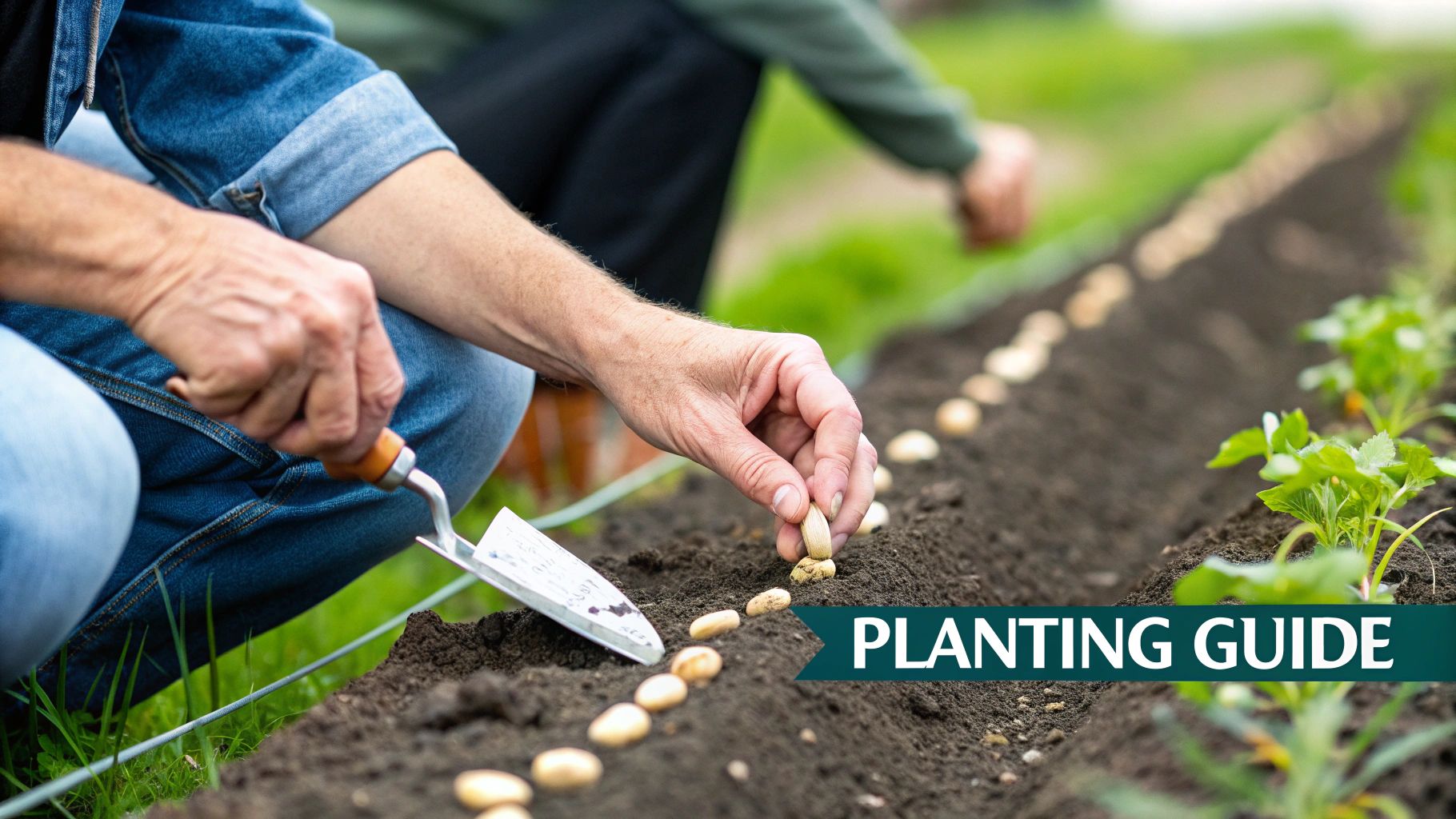
With your garden bed prepped and ready, it’s time for the fun part: getting those Royal Burgundy seeds into the soil. Timing and technique are everything here. I’ve learned the hard way that planting too early in cold, damp ground is just asking for rotten seeds and poor germination.
1. Master Your Timing
Beans are a warm-season crop. The golden rule is to wait until every last chance of frost has passed and the soil temperature is consistently above 60°F (15°C). I always use a cheap soil thermometer to check the temperature a couple of inches deep first thing in the morning before the sun hits it. If you're juggling planting times for other veggies, our guide on when to plant vegetable seeds is a great resource.
2. Sow for Success
Once the soil is warm enough, you can start sowing. Getting the depth and spacing right is key for healthy plants and good airflow.
Here's the simple method I stick to for a great crop:
- Planting Depth: Aim for 1 to 1.5 inches deep.
- Seed Spacing: Drop a seed every 2-3 inches within the row.
- Row Spacing: Keep rows about 18-24 inches apart.
After placing the seeds, gently pat the soil down and give them a good, thorough watering. The goal is to keep the soil consistently moist—but never soggy—until you see sprouts in about 8-14 days. For a steady supply, try succession planting: sow a new small batch every two weeks.
3 Keys to Keeping Your Bean Plants Happy
Once you see those first little bean seedlings poke through the soil, your job shifts to simple, steady care. Getting this part right is what makes the difference between a handful of beans and a basketful.
1. Provide Consistent Water
Water is probably the most important piece of the puzzle. A good rule of thumb is to make sure your beans get about one inch of water per week, whether that’s from you or from the sky. The easiest way to check? Just stick your finger into the soil. If it feels dry an inch down, it's time to give them a drink. Pay close attention once flowers start to form, as this is when plants are working their hardest and get extra thirsty.
2. Skip the Extra Fertilizer
Here's one of the best things about growing Royal Burgundy beans: they're not very hungry. Because they're legumes, they are natural nitrogen-fixers. This means they have a cool symbiotic relationship with soil bacteria that allows them to pull nitrogen right out of the air. If you prepped your garden bed with plenty of good compost, you can pretty much skip the fertilizer.
3. Mulch for Moisture and Weed Control
To make your life even easier, I highly recommend mulching. Once the seedlings are about four inches tall, lay down a two-inch layer of straw or shredded leaves around the plants. This is a game-changer. It keeps the weeds down and locks in that precious soil moisture, which means you'll spend a lot less time on your knees pulling weeds or holding a hose.
5 Smart Ways to Protect Your Crop
Even though Royal Burgundy beans are tough customers, no garden is an island. Keeping a watchful eye on your plants is the best defense. You’re most likely to run into two main troublemakers: aphids and Mexican bean beetles. The best approach is almost always a gentle one.
1. Bring in the Good Guys
Ladybugs and lacewings are voracious aphid-eaters. You can attract these beneficial insects by planting companion flowers like alyssum or marigolds nearby. Think of it as building a neighborhood watch for your garden.
2. Get Hands-On
For a minor aphid problem, a strong spray of water from the hose is often enough to knock them off. If you spot Mexican bean beetles, simply pick them off and drop them into a bucket of soapy water.
3. Try Organic Sprays
When you need a bit more firepower, neem oil or insecticidal soap are fantastic organic options. Just be sure to spray early in the morning or late in the evening to protect bees and other pollinators. For more ideas, check out our guide to natural pest control for plants.
4. Water Wisely
Fungal issues like powdery mildew love damp, stagnant conditions. Always water at the base of your plants in the morning, giving the leaves all day to dry out in the sun.
5. Give Them Space
Good airflow is your best friend in preventing fungal diseases. Proper spacing between your plants, as mentioned in the planting section, makes it much harder for spores to settle in and spread.
One of the best things about Royal Burgundy beans is their built-in disease resistance. Seed trials have highlighted its superior resistance to white mold, a real game-changer in wet regions where other bean varieties can lose 10–20% of their pods. You can dig into the performance traits and trial results yourself.
2 Essential Tips for Harvesting Your Beans
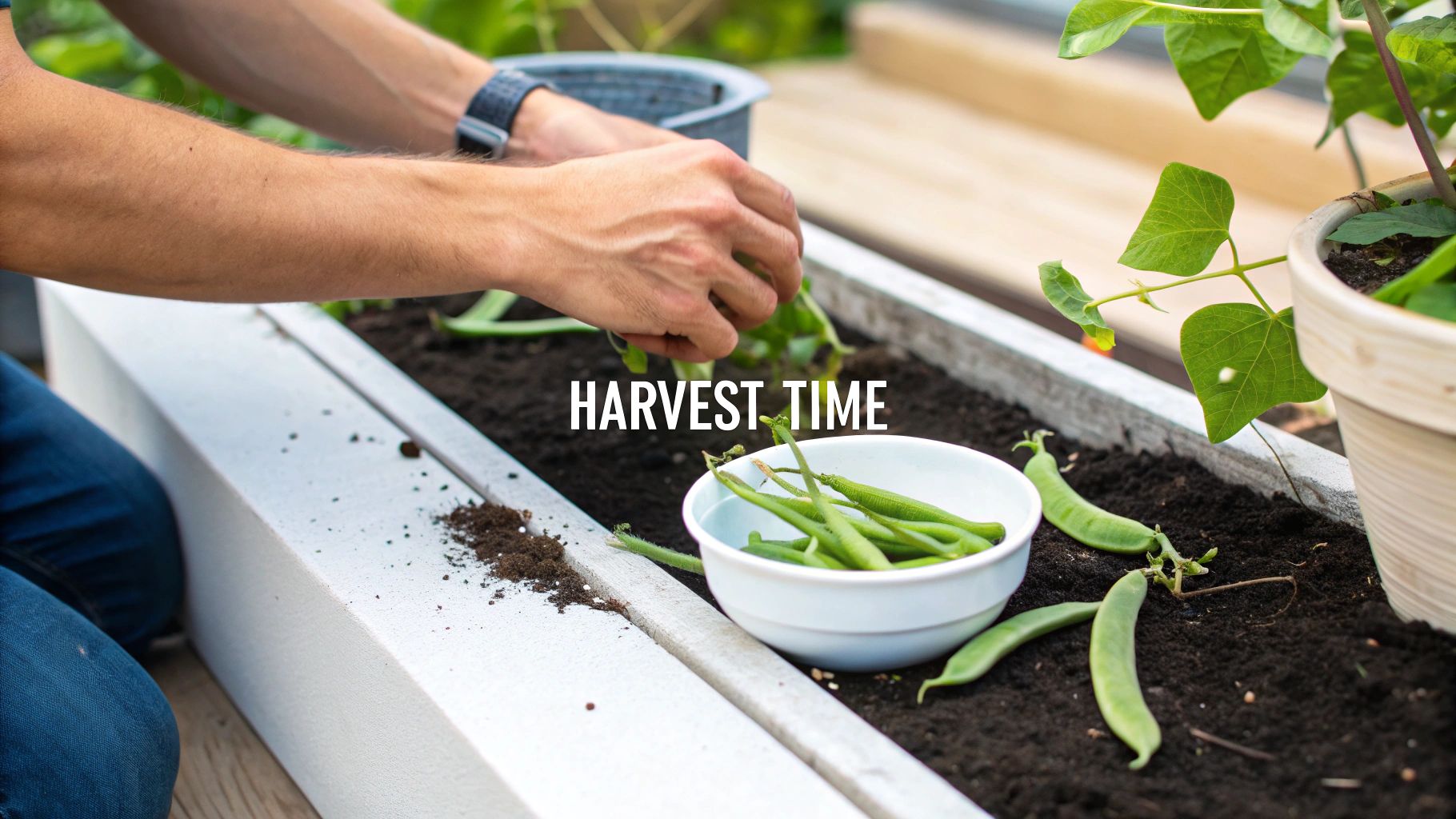
This is the moment all that waiting and watering pays off. When it comes to Royal Burgundy beans, timing your harvest is everything if you want the best flavor and a satisfying snap.
1. Know When to Pick
You’ll know they're ready when the pods feel firm, look plump, and have hit that deep, rich purple color. I find the sweet spot is usually when they’re about 5-6 inches long. The key is to pick them before the seeds inside start to swell and create obvious bumps along the pod. Wait too long, and you'll end up with beans that are tough and stringy. When you're in the garden, harvest by gently snapping the bean from the stem.
2. Pick Often for a Bigger Harvest
The more you pick, the more the plant produces. Once they get going, make a point to check your plants every day or two. This encourages the plant to produce more pods, keeps the harvest coming, and ensures you catch every bean at its peak.
3 Smart Ways to Store Your Harvest
A good harvest means you'll likely have more beans than you can eat in one go. Here are my go-to methods for keeping them fresh.
- Short-Term (Fridge): If you plan on eating them within a week, just toss the unwashed beans into a plastic bag and pop them in the crisper drawer. Simple.
- Medium-Term (Freezer): For longer storage, freezing is the way to go. Wash and trim your beans, then blanch them in boiling water for about two minutes. Immediately transfer them to an ice bath to halt the cooking process. Drain them really well and pack them into freezer bags. They'll taste great for months.
- Long-Term (Canning): If you're looking for shelf-stable beans, pressure canning is the safest and most effective method. It’s a bit more work, but well worth it for a taste of summer in the middle of winter.
Royal Burgundy beans are incredibly productive in home gardens. It's not uncommon for seasoned growers to get 2–3 pounds per plant when conditions are right. You can find more details on Royal Burgundy bean yields if you're curious about their commercial potential.
3 Common Questions About Growing Royal Burgundy Beans
I get a lot of questions about growing these beautiful beans, so let's clear up a few common stumbling blocks.
1. Why Aren't My Beans Turning Purple?
This is the number one question I hear. If your Royal Burgundy beans are staying green, the culprit is almost always a lack of direct sunlight. Those gorgeous purple pigments need full, direct sun to really pop. If they're shaded by other plants or don't get at least 6-8 hours of sun, they'll often stay green or develop a weak, blotchy color.
2. Can I Grow Them in a Pot?
Absolutely! They do wonderfully in containers, which is great for patio or balcony gardeners. Just be sure to give them enough room. I've found a pot that's at least 12 inches deep and holds about 5 gallons of soil works perfectly for one or two plants. Anything smaller and you'll likely see stunted growth and a much smaller harvest.
3. Do They Need a Trellis?
Nope, and that's one of their best features! Royal Burgundy is a true bush bean, meaning it grows into a compact, sturdy plant that supports itself. You can skip the hassle of setting up stakes or trellises.
The biggest advantage of this variety is its self-supporting, bushy habit. You get all the flavor without any of the structural fuss, which makes them a breeze to manage in just about any garden space.
Ready to grow your own stunning and delicious beans? Find premium heirloom seeds and all the gardening supplies you need at Homegrown Garden. Start your journey today at https://www.homegrown-garden.com


